
Book summary
The Dictator's Handbook by Bruce Bueno de Mesquita and Alastair Smith is a realist analysis of political power that argues all leaders, whether in democracies or dictatorships, fundamentally act as self-interested survival maximizers rather than benevolent public servants. The core model revolves around the selectorate (those who can influence leadership choice) and the winning coalition (the small group whose support is essential for a leader to stay in power); leaders prioritize giving private rewards to their coalition while extracting resources from the broader population. The book explains why dictatorships tend to be more corrupt and provide fewer public goods than democracies, why foreign aid often harms the poor, and why institutional incentives, not individual personalities or ideologies, best predict political behavior. Ultimately it offers a cold, pragmatic framework for understanding why bad policies and oppression persist around the world.
Key founder lessons
-
1
Prioritize Essential Supporters
Identify and reward your smallest viable coalition of key investors, employees, or board members first to secure power, as the book details how leaders survive by satisfying those who can unseat them.
-
2
Control Revenue Flows
Minimize reliance on outsiders by maximizing discretionary funds you control, like venture capital without heavy strings, mirroring how dictators hoard resources to limit accountability.
-
3
Limit Coalition Size
Keep your inner circle small to reduce payout demands, applying the book's logic that larger groups dilute loyalty and increase costs of maintaining rule in a startup context.
-
4
Extract, Don't Invest Broadly
Focus resources on buying loyalty from essentials rather than broad employee perks or public goods, per the selectorate theory that explains why inefficient but targeted spending sustains power.
-
5
Replace Disloyal Allies Quickly
Rapidly swap out underperforming team members or investors with eager replacements, as the authors show dictators endure by maintaining a large pool of interchangeable supporters ready to take their place.
Grok's review
Ruthless power lessons every founder should steal.
The Dictator's Handbook is a cold, cynical masterclass in political survival that maps eerily well onto startup boardrooms, cap tables, and founder-CEO dynamics. Bueno de Mesquita and Smith strip away ideology and show that leaders—whether in palaces or pitch decks—stay in power by rewarding a small coalition of key supporters while extracting resources from everyone else. The core model (selectorate theory) is brutally elegant and explains why 'nice' governance often fails and why loyalty trumps merit. That said, the book is padded with repetitive examples, leans too heavily on historical anecdotes that sometimes feel cherry-picked, and its evidence is more correlational than ironclad econometric. Some of the real-world policy prescriptions feel dated post-2011 Arab Spring and social-media revolutions. Still, for founders it's worth every page: it will make you rethink equity grants, investor relations, key hires, and why your 'mission' is mostly theater.
Best for: Ambitious founders who want to understand real power dynamics.
Similar books
-

The 48 Laws of Power
Robert Greene
Reveals power dynamics and strategies that mirror political maneuvering in business and leadership.
-
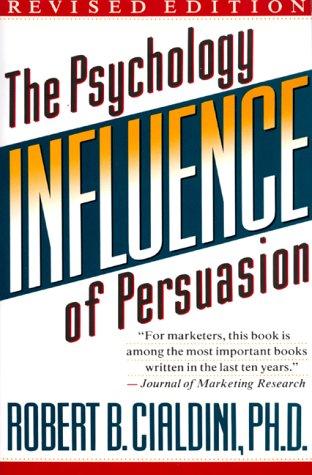
Influence
Robert B. Cialdini
Explains the science of getting what you want, essential for sales, negotiation, and team alignment.
-

Thinking, fast and slow
Daniel Kahneman
Unpacks decision-making biases to help founders avoid costly errors in strategy and hiring.
-
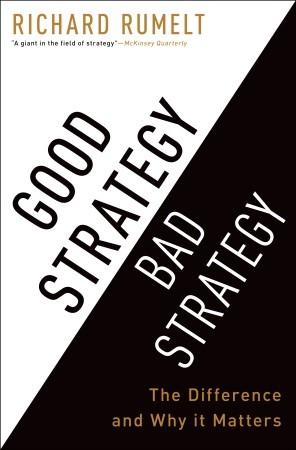
Good Strategy, Bad Strategy
Richard P. Rumelt
Teaches how to craft clear, coherent strategies that drive real competitive advantage.
-
The Hard Thing About Hard Things
Ben Horowitz
Raw lessons on leading through chaos, firing, and making tough CEO decisions.
-

Principles
Ray Dalio
Outlines radical truth and meritocracy systems for building high-performing organizations.
Founder activity
Nobody has shelved this yet
Be the first founder to add it.