
The Upside of Stress: Why Stress is Good for You (and How to Get Good at it)
by Kelly McGonigal
Book summary
The Upside of Stress by Kelly McGonigal argues that stress is not inherently harmful but can be a beneficial force that makes us stronger, smarter, and happier when we change our mindset toward it. Drawing on psychological research, the book shows how adopting a "stress-is-enhancing" belief improves health outcomes, resilience, and performance by shifting the body's response from debilitating to energizing. McGonigal provides practical strategies to embrace stress, such as pursuing meaningful goals, connecting with others, and viewing physical arousal as excitement rather than anxiety. Ultimately, the core message is that learning to get good at stress transforms it into a tool for growth and well-being instead of something to avoid.
Key founder lessons
-
1
Reframe stress as enhancing
View stress responses as your body preparing you for challenge, turning anxiety into a performance booster for high-stakes founder decisions.
-
2
Choose a growth mindset toward stress
Believe stress can make you better; this belief alone improves resilience, health, and startup leadership under pressure.
-
3
Pursue meaning over comfort
Embrace stressful pursuits that align with purpose, as they build long-term well-being and fuel the persistence needed in building startups.
-
4
Increase oxytocin via social connection
Use stress-induced oxytocin to strengthen relationships; lean on your team and network during crises to enhance collective problem-solving.
-
5
Practice caring for others under stress
Helping others shifts focus from self to contribution, buffering burnout and creating a supportive company culture that drives innovation.
Grok's review
Stress-is-good reframing is useful but padded.
McGonigal's core idea—that adopting a 'stress-is-enhancing' mindset reliably improves outcomes in health, performance, and resilience—is backed by solid, replicable studies from her Stanford lab and others. The book shines when it gives founders concrete language and micro-habits for reframing acute stress during fundraising, launches, or team crises instead of defaulting to burnout narratives. Unfortunately it is padded with repetitive anecdotes, long detours into self-compassion and mindfulness that feel like filler from her earlier TED fame, and some of the cited research now looks thinner or less differentiated from generic positive-psychology findings a decade later. Still worth a founder's time if you speed-read chapters 1, 4, and 7 and skip the rest.
Best for: Stressed founders who catastrophize pressure
Similar books
-

Peak
Roland Smith
Unpacks deliberate practice to turn stress into mastery for building exceptional skills in startups.
-

Mindset
Carol S. Dweck
Teaches growth mindset to reframe challenges and stress as opportunities for founder development.
-
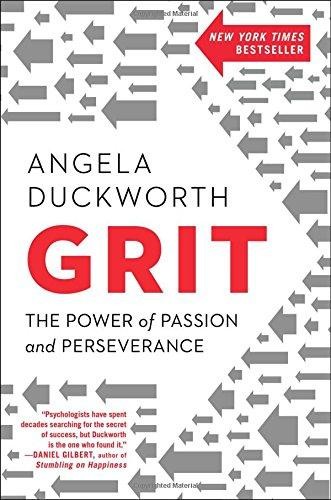
Grit
Angela Duckworth
Shows how to channel stress into sustained effort essential for long-term entrepreneurial success.
-
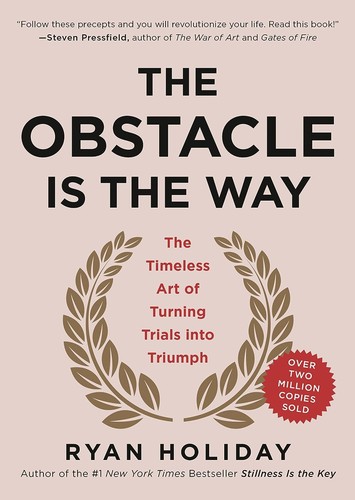
The Obstacle is the Way
Ryan Holiday
Applies Stoic principles to transform business stressors into strategic advantages.
-

Atomic Habits
James Clear
Builds systems to harness daily stress productively for consistent founder performance.
-

Antifragile
Nassim Nicholas Taleb, Genís Sánchez Barberán
Explains how to design companies that thrive on volatility and stress rather than avoid it.
Founder activity
Nobody has shelved this yet
Be the first founder to add it.