
Book summary
Mindset by Carol S. Dweck explores how two fundamental beliefs about ability shape every aspect of human life. Those with a fixed mindset see talents and intelligence as innate and unchangeable, leading them to avoid challenges, fear failure, and seek constant validation while stagnating over time. In contrast, the growth mindset views abilities as developable through effort, persistence, and learning from setbacks, fostering resilience, greater achievement, and a love of learning. Drawing on decades of research, Dweck shows how these mindsets influence relationships, parenting, sports, business, and education, and demonstrates that people can shift from fixed to growth at any age to unlock their potential. The core argument is that adopting a growth mindset transforms how we pursue goals and ultimately determines long-term success and fulfillment.
Key founder lessons
-
1
Adopt growth mindset for talent development
Founders view abilities as malleable through effort, embracing challenges to build skills instead of fearing exposure as untalented.
-
2
Embrace failures as learning opportunities
Treat startup setbacks as data for iteration rather than proof of inadequacy, fueling persistence and innovation.
-
3
Prioritize learning goals over performance goals
Focus on acquiring new knowledge and strategies in building the company, avoiding the fixed mindset trap of constantly proving competence.
-
4
Praise effort and strategies, not innate traits
When leading teams, recognize hard work and smart approaches to foster a culture where people stretch beyond comfort zones.
-
5
Change mindset at any stage for success
Founders can deliberately shift from fixed to growth thinking through reflection and practice, unlocking greater potential and fulfillment.
Grok's review
Growth mindset gospel, but padded and oversold.
The core idea—that believing abilities can be developed (growth mindset) versus seeing them as fixed traits—lands like a thunderbolt for founders who’ve watched teammates crumble under pressure or themselves obsess over looking smart instead of shipping. Dweck’s examples from sports, business, and classrooms are compelling and the book genuinely reframes how you hire, give feedback, and run post-mortems. That said, it’s padded with repetitive anecdotes, the “research” often feels like cherry-picked lab studies from the 90s–2000s that haven’t aged perfectly, and the evidence is thinner than the sweeping claims suggest. By the final third it turns into a self-help sermon that could have been a long essay. Still worth reading once, but treat it as a powerful 20-page insight stretched into 250 pages of motivational filler.
Best for: Founders who manage teams and want to kill perfectionism culture
Similar books
-
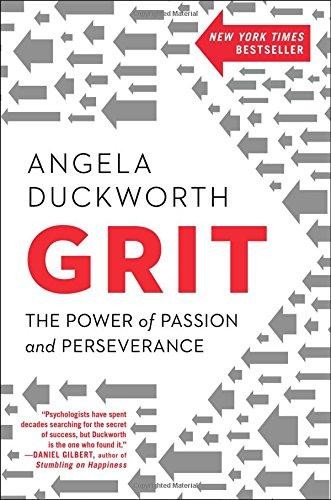
Grit
Angela Duckworth
Explores perseverance and passion for long-term goals, essential for startup endurance and success.
-

Atomic Habits
James Clear
Teaches building systems for continuous improvement, boosting founder productivity and discipline.
-

Thinking, fast and slow
Daniel Kahneman
Reveals cognitive biases to improve decision-making in high-stakes business environments.
-
The Hard Thing About Hard Things
Ben Horowitz
Offers raw lessons on leadership and navigating tough startup challenges with resilience.
-

Peak
Roland Smith
Shows how deliberate practice builds expertise, fueling innovation and career growth.
-

Drive
Daniel H. Pink
Unpacks intrinsic motivation, helping founders build high-performing teams and culture.
Founder activity
Nobody has shelved this yet
Be the first founder to add it.