
Book summary
The Fourth Turning by William Strauss and Neil Howe presents a cyclical theory of American history divided into four repeating generational "turnings" that mirror the seasons: a High of institutional strength, an Awakening of cultural upheaval, an Unraveling of individualism, and a Crisis of societal destruction and rebirth. The authors argue that these saecular cycles, driven by generational archetypes, have recurred throughout Anglo-American history roughly every 80-100 years, with each Fourth Turning culminating in a major crisis that reshapes society. At the time of writing, America was deep in an Unraveling and approaching its next Fourth Turning crisis, where the attitudes and roles of different generations—G.I., Silent, Boomer, and Gen X—will determine how the nation navigates its rendezvous with destiny. The book urges readers to prepare individually and collectively for the profound challenges and opportunities this impending era of upheaval will bring.
Key founder lessons
-
1
Prepare for the Crisis Era
Founders should build antifragile companies and personal resilience expecting a decade-long societal crisis like the 1930s-1940s.
-
2
Understand Generational Archetypes
Align team roles by matching Millennial heroes, Gen-X nomads, Boomer prophets, and Artist elders to their saeculum-driven behaviors.
-
3
Time Your Ventures to the Cycle
Launch or pivot businesses during the Unraveling phase to position for explosive growth when the Fourth Turning resolves into a new High.
-
4
Foster Collective Purpose
Shift from individualism to community-oriented missions that echo the civic ethos of past Crisis eras like WWII.
-
5
Study Historical Patterns
Use the book's saecula and turning framework to anticipate macro shifts and avoid being blindsided by predictable generational mood changes.
Grok's review
Intriguing pattern, but thin on proof and dated.
The Fourth Turning's core idea—that history moves in predictable 80- to 100-year saecula divided into four generational 'turnings,' with the current one heading toward crisis—is intellectually seductive for founders who like macro frameworks and long-term thinking. Strauss and Howe weave history, demography, and pop culture into a sweeping narrative that feels prophetic, especially when you map their 1997 predictions onto the 2008 financial meltdown and recent political turmoil. Yet the book is padded with repetitive examples, relies on cherry-picked anecdotes rather than rigorous evidence, and treats generational archetypes as almost mystical forces rather than statistical tendencies. Its deterministic tone can feel like astrology for history nerds, and many specific forecasts have aged poorly or seem overly U.S.-centric. Worth reading for the big-picture mental model if you're into cyclical thinking, but don't treat it as gospel for startup strategy or timing.
Best for: Founders obsessed with macro cycles and history.
Similar books
-
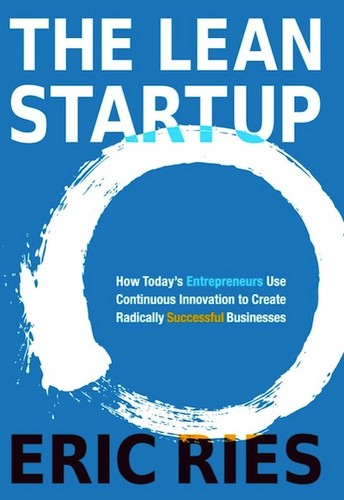
The Lean Startup
Eric Ries
Teaches building adaptable companies by testing assumptions in uncertain, generational cycles.
-
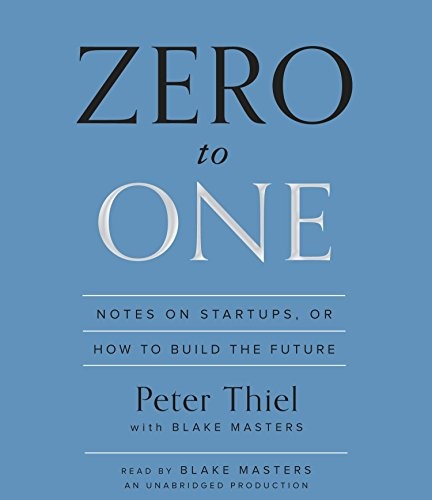
Zero to One
Peter A. Thiel, Blake Masters
Offers contrarian insights on innovation and creating monopolies amid societal turning points.
-

Good to Great
Collins, James C., Jim Collins
Reveals timeless principles for building enduring companies through disciplined leadership.
-
The Hard Thing About Hard Things
Ben Horowitz
Provides raw lessons on navigating crises and leading through chaotic business cycles.
-
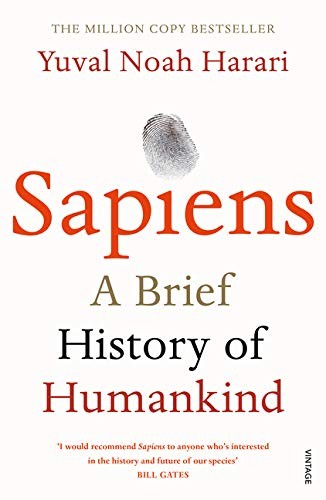
Sapiens
Yuval Noah Harari
Explores human history's patterns to inform long-term strategy and cultural shifts for founders.
-

Principles
Ray Dalio
Delivers decision-making frameworks from economic cycles to build resilient organizations.
Founder activity
Nobody has shelved this yet
Be the first founder to add it.