
Book summary
The Monk Who Sold His Ferrari tells the story of Julian Mantle a highpowered lawyer whose frantic pursuit of wealth and success leads to a heart attack and personal crisis prompting him to abandon his career and travel to the Himalayas where he learns ancient wisdom from a secretive order of monks. He returns transformed and shares the practical lessons with his former colleague including the importance of mastering the mind controlling time living with purpose and cultivating selfdiscipline through vivid metaphors like the garden of the mind and the lighthouse of purpose. The core argument is that true success and lasting happiness come not from external achievements but from inner mastery daily rituals and alignment with ones highest self creating a balanced life rich in peace passion and fulfillment.
Key founder lessons
-
1
Master your mind first
Julian learns that controlling thoughts via the garden metaphor builds focus and resilience, letting founders stay calm amid startup chaos.
-
2
Follow your purpose
The book's emphasis on discovering personal dharma pushes founders to align ventures with deep life mission for sustained drive.
-
3
Live with discipline
Daily rituals and the 10 ancient virtues teach founders to build consistent habits that compound into extraordinary results.
-
4
Value time as gold
The urgency of the ticking clock reminds founders to eliminate distractions and prioritize high-impact work each day.
-
5
Embrace the present
The sumo wrestler and empty cup stories train founders to practice mindfulness, reducing anxiety over past failures or future uncertainties.
Grok's review
Overhyped parable, thin on substance.
The book wraps basic self-help bromides—wake up early, meditate, simplify—in a cloying fable about a burned-out lawyer who learns life lessons from Himalayan monks. It pads relentlessly with repetition and fortune-cookie wisdom that feels both dated and suspiciously light on evidence; the 'cutting-edge success principles' are mostly 1990s pop psychology with a spiritual veneer. For startup founders already steeped in Stoicism, Cal Newport, or even Atomic Habits, it delivers almost zero novel insight or tactical value. The narrative is so saccharine and contrived that it undermines whatever kernel of truth it contains. Skip it unless you enjoy motivational fairy tales that could fit on a single blog post.
Best for: Burned-out execs seeking first-time inspiration
Similar books
-
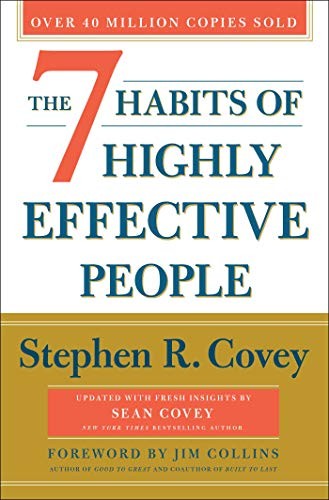
The 7 Habits of Highly Effective People
Stephen R. Covey
Timeless principles for personal and professional effectiveness that build strong leadership and productivity.
-

Atomic Habits
James Clear
Practical strategies to build good habits and break bad ones, essential for sustained founder discipline.
-
Man's Search for Meaning : An Introduction to Logotherapy
Viktor Emil Frankl
Profound insights on purpose and resilience that fuel entrepreneurial perseverance through adversity.
-

The Alchemist
Paulo Coelho (Author)
Inspirational fable on following dreams, mirroring the founder journey of purpose and obstacles.
-

How to Win Friends and Influence People
Dale Carnegie
Masterful techniques for building relationships crucial to sales, networking, and team leadership.
-

The Power of Now
Eckhart Tolle
Teaches mindfulness to reduce stress and enhance focus, vital for high-stakes decision-making.
Founder activity
Nobody has shelved this yet
Be the first founder to add it.