Book summary
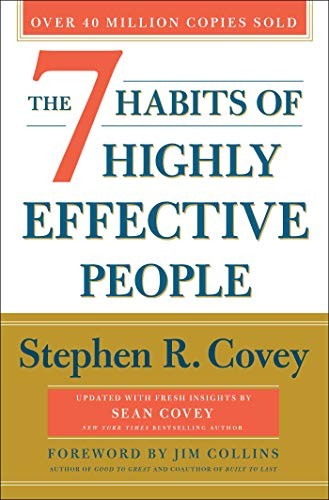
The 7 Habits of Highly Effective People by Stephen R. Covey is a self-help and leadership classic that presents a principle-centered approach to personal and professional effectiveness. It outlines seven habits progressing from dependence to independence to interdependence: be proactive, begin with the end in mind, put first things first, think win-win, seek first to understand then to be understood, synergize, and sharpen the saw. The core argument is that true success comes from aligning one's character and actions with timeless universal principles rather than relying on quick-fix techniques or personality-based shortcuts, ultimately fostering greater integrity, collaboration, and continuous renewal in all areas of life.
Key founder lessons
-
1
Begin with the End in Mind
Define your startup's mission and values first to ensure all decisions align with the desired legacy and culture.
-
2
Be Proactive
Focus on your circle of influence to drive product decisions and team culture instead of reacting to market noise.
-
3
Put First Things First
Schedule and prioritize high-impact activities like customer discovery over reactive tasks to scale effectively.
-
4
Think Win-Win
Structure partnerships, hires, and pricing so all parties gain long-term value, avoiding zero-sum negotiations.
-
5
Seek First to Understand
Listen empathetically to customers and team before pitching solutions to build products that truly solve problems.
Grok's review
Still useful but bloated self-help classic.
Covey's framework of moving from dependence to independence to interdependence is genuinely insightful and maps well to founder challenges—especially the emphasis on proactive ownership, beginning with the end in mind for vision-setting, and seeking win-win partnerships in sales or hiring. The first three habits remain powerful for personal discipline, and the later ones on empathy and synergy are excellent reminders for building culture. However, the book is heavily padded with repetitive anecdotes, 1980s corporate examples that feel dated, and a somewhat preachy tone backed by thin evidence rather than rigorous research; it's more moral philosophy than data-driven playbook. For startup founders who haven't read it, the core ideas are worth extracting, but I'd recommend a condensed summary or modern reinterpretation over slogging through the full 400+ pages.
Best for: Founders seeking personal discipline and leadership principles.
Similar books
-

Atomic Habits
James Clear
Builds on Covey's principles with practical systems for lasting personal and professional effectiveness.
-

How to Win Friends and Influence People
Dale Carnegie
Master interpersonal skills essential for leadership, networking, and team-building like Covey's habits.
-
The Effective Executive
Peter F Drucker
Focuses on executive productivity and decision-making to amplify personal effectiveness in business.
-

Good to Great
Collins, James C., Jim Collins
Insights on disciplined leadership and company-building that echo Covey's proactive mindset.
-
Man's Search for Meaning : An Introduction to Logotherapy
Viktor Emil Frankl
Teaches resilience and purpose-driven habits that fuel entrepreneurial perseverance and vision.
-

The 4-Hour Workweek
Timothy Ferriss
Applies efficiency and habit optimization to create freedom and scalability in startup life.
Founder activity
Nobody has shelved this yet
Be the first founder to add it.