
Book summary
The 1-Page Marketing Plan by Allan Dib is a practical guide that shows entrepreneurs and small-business owners how to replace fragmented, expensive, and ineffective marketing efforts with a single, focused one-page strategy. It walks readers through nine sequential steps—selecting a target market, crafting a compelling message, choosing media, creating lead-generation systems, nurturing leads, converting sales, delivering world-class experiences, building referral systems, and measuring results—emphasizing that marketing must be treated as a systematic process rather than sporadic tactics. The core argument is that by concentrating all marketing decisions onto one page, businesses can achieve clarity, consistency, and dramatically better ROI while avoiding the overwhelm and waste common in traditional approaches.
Key founder lessons
-
1
Target a niche, not everyone
Define a narrow ideal customer avatar with specific demographics and psychographics to craft resonant messaging that converts.
-
2
Build a lead magnet first
Create an irresistible free offer that solves a problem and captures contact info to build an owned audience before selling.
-
3
Use a 9-box one-page plan
Fill the structured template covering strategy, tactics, and measurement so marketing becomes a repeatable system instead of random acts.
-
4
Educate to sell, don't pitch
Deliver valuable content that positions you as the expert, guiding prospects through awareness to decision without hard selling.
-
5
Measure and iterate the plan
Track key metrics like cost per lead and lifetime value, then refine the one-page plan quarterly to optimize ROI.
Grok's review
Solid framework, stretched into a book.
The core idea is excellent: a practical, one-page template that forces founders to get specific about target market, message, media, and conversion systems instead of vague 'marketing.' Dib writes clearly and the nine-block canvas is genuinely useful for early-stage teams who treat marketing as an afterthought. Unfortunately the book is heavily padded with generic anecdotes, repetitive explanations, and 2010-era examples that already feel dated (Facebook ads, Yellow Pages, etc.). Evidence is almost entirely anecdotal; there's little rigorous data or deeper psychological grounding compared to better marketing books like 'This Is Marketing' or 'Obviously Awesome.' It's a fast read but could have been a long blog post.
Best for: Non-marketers who need a simple startup marketing scaffold.
Similar books
-
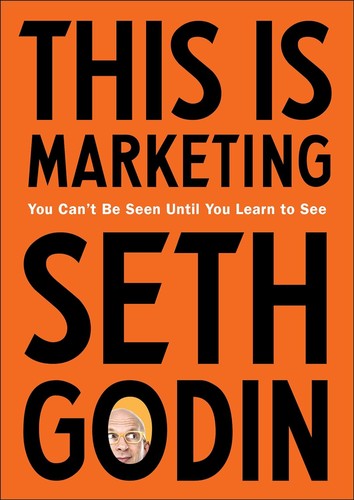
This is marketing
Seth Godin
Masterful guide to modern marketing that builds tribes and creates value, essential for startup growth.
-

Traction
Gino Wickman
Provides the Entrepreneurial Operating System to scale your business with proven systems and processes.
-

Building A StoryBrand
Donald Miller
Clarifies your marketing message using story frameworks to attract and convert ideal customers.
-

Contagious
Jonah Berger
Reveals the science behind why things catch on, helping founders engineer viral marketing.
-
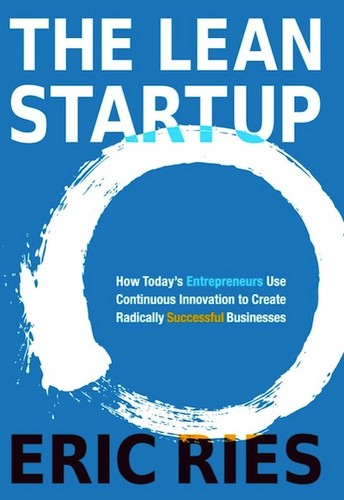
The Lean Startup
Eric Ries
Teaches validated learning and rapid iteration to build products customers actually want.
-

They Ask You Answer
Marcus Sheridan, Krista Kotrla
Shows how radical transparency and content marketing build trust and explode sales.
Founder activity
Nobody has shelved this yet
Be the first founder to add it.