
Book summary
Contagious by Jonah Berger explores why certain ideas products and behaviors spread through word of mouth and social transmission while others do not. Drawing on extensive research and real world examples the book identifies six key principles known as STEPPS that drive virality social currency triggers emotion public observability practical value and stories. Berger argues that by deliberately incorporating these principles into messaging and content anyone can engineer greater sharing and influence turning ordinary items like a blender or a cheese steak into phenomena and avoiding pitfalls such as those seen in failed anti drug campaigns. The core argument is that virality is not random but follows predictable patterns that can be harnessed for marketing politics public health or personal influence.
Key founder lessons
-
1
Leverage Social Currency
Make customers feel like insiders by offering exclusive or impressive experiences, prompting them to share to boost their status, as with the Philadelphia steakhouse using rare cheese steaks.
-
2
Trigger Frequent Reminders
Embed your product in everyday cues that repeatedly remind people to think and talk about it, like the Mars Bar sales spike during a week-long event with similar name.
-
3
Craft Emotionally Charged Stories
Build high-arousal emotions such as awe or anger into your messaging so customers naturally share the associated content, as seen in the viral blender video.
-
4
Make Ideas Observable
Design visible signals or public displays of product use so others notice and imitate, turning private choices into social proof that spreads adoption.
-
5
Tell Practical, Valuable Stories
Package useful information in narrative form that people want to pass along because it helps recipients, avoiding anti-drug ads that backfired by seeming preachy.
Grok's review
Solid STEPPS framework, but padded with anecdotes.
Contagious delivers a memorable, founder-friendly mnemonic—STEPPS (Social Currency, Triggers, Emotion, Public, Practical Value, Stories)—that explains why things spread. The stories are engaging and the research from Berger's Wharton lab is interesting, yet the book often feels like a long TED talk stretched into 250 pages; many chapters lean heavily on one or two vivid examples that start to feel cherry-picked. Some of the cited studies and viral hits already feel dated a decade later (remember when “the blender video” was cutting-edge?), and the evidence is thinner than it pretends—more correlational storytelling than ironclad science. Still, the core ideas remain useful for marketers, product folks, and anyone trying to grow through word-of-mouth rather than paid acquisition.
Best for: Growth-oriented marketers and early-stage founders
Similar books
-

Made to stick
Chip Heath, Dan Heath
Unpacks why some ideas spread virally, teaching practical principles for crafting memorable marketing and products.
-
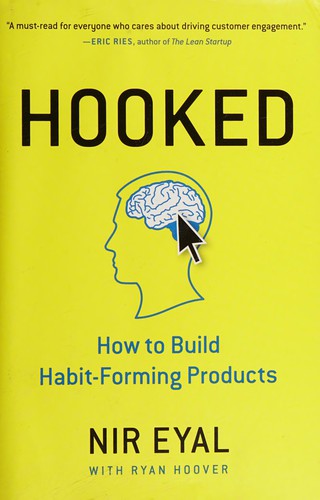
Hooked
Nir Eyal
Reveals the psychology behind habit-forming products, essential for building sticky customer experiences.
-
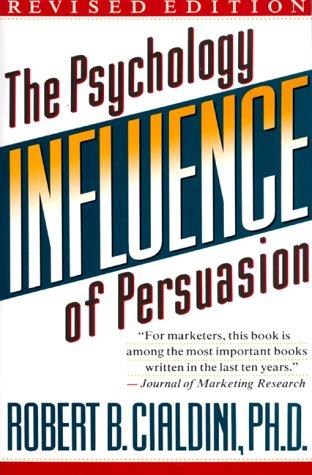
Influence
Robert B. Cialdini
Masterclass in persuasion principles that drive consumer behavior and viral marketing success.
-
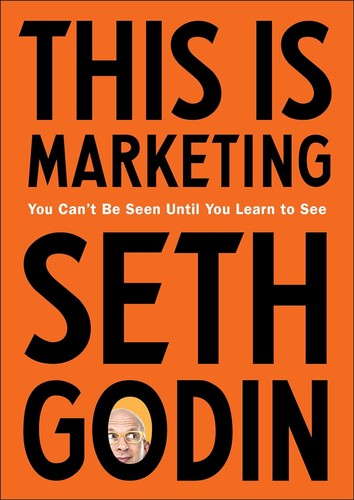
This is marketing
Seth Godin
Redefines marketing as creating change and spreading ideas that matter in a crowded world.
-

The Tipping Point
Malcolm Gladwell
Explores how small changes create epidemics, offering lessons on scaling ideas and businesses.
-

Crossing the Chasm
Geoffrey A. Moore
Classic guide to marketing and selling disruptive products to mainstream customers.
Founder activity
Nobody has shelved this yet
Be the first founder to add it.