
Book summary
The Tipping Point by Malcolm Gladwell explores why major social changes and trends often occur suddenly and unexpectedly, likening them to infectious disease outbreaks that reach a critical mass. He argues that ideas, behaviors, and products spread through three key principles: the Law of the Few (influential individuals like connectors, mavens, and salesmen who drive word-of-mouth), the Stickiness Factor (how memorable or compelling a message is), and the Power of Context (how environment and small situational changes can trigger epidemics). Drawing on examples from crime waves, fashion, smoking, children's TV, and historical events, Gladwell shows how understanding these dynamics can help intentionally create or sustain social epidemics. The core argument is that big effects often stem from tiny, targeted causes at the right moment.
Key founder lessons
-
1
Leverage the Law of the Few
Identify and activate Connectors, Mavens, and Salesmen to spread your startup's idea virally with minimal resources.
-
2
Master the Stickiness Factor
Refine your product's messaging or features until it becomes memorable and compels users to adopt and share it repeatedly.
-
3
Engineer the Power of Context
Design your product's environment and timing so small changes in surroundings trigger rapid user behavior shifts and adoption.
-
4
Target Specific Epidemic Seeds
Focus initial efforts on a few influential early adopters in niche groups to ignite word-of-mouth epidemics for your startup.
-
5
Sustain Epidemics Through Feedback
Monitor real-world responses like the religious commune or tech firm examples to iteratively adjust and maintain momentum once tipping occurs.
Grok's review
Still clever, now feels padded and dated.
The Tipping Point is a breezy, anecdote-rich read that popularized the idea of social epidemics and the roles of Connectors, Mavens, and Salesmen. Gladwell's storytelling shines when he dissects real-world cases like Hush Puppies or Sesame Street, making complex social dynamics accessible for founders thinking about virality and product adoption. However, it's weakened by thin evidence (often single examples treated as proof), repetitive padding to stretch the concept into a full book, and ideas that feel dated in the era of algorithmic amplification and data-driven growth—many of his examples predate the internet's full impact. Worth a skim for inspiration on network effects, but don't treat it as a rigorous playbook; it's more pop sociology than startup science.
Best for: Founders seeking viral marketing intuition
Similar books
-
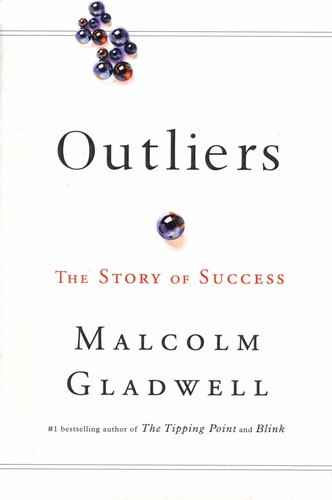
Outliers
Malcolm Gladwell
Explores success factors like opportunity and practice, offering insights for building high-performing teams and careers.
-

Made to stick
Chip Heath, Dan Heath
Teaches how to create memorable ideas, essential for marketing, branding, and influencing stakeholders.
-

The Power of Habit
Charles Duhigg
Reveals how habits drive behavior, helping founders build productive cultures and personal discipline.
-

Thinking, fast and slow
Daniel Kahneman
Illuminates decision-making biases, improving strategic thinking and leadership choices.
-
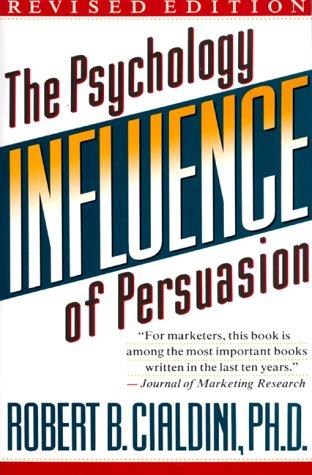
Influence
Robert B. Cialdini
Details principles of persuasion, vital for sales, negotiation, and customer acquisition.
-
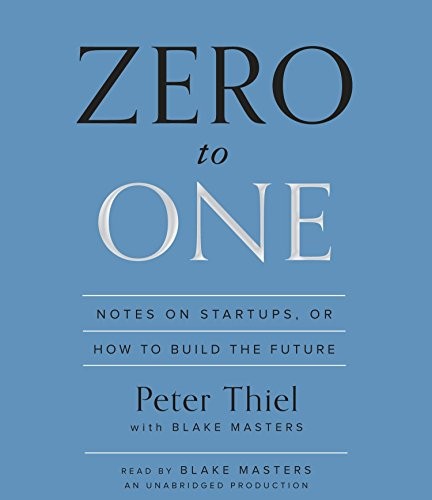
Zero to One
Peter A. Thiel, Blake Masters
Challenges founders to create breakthrough innovation instead of copying competitors.
Founder activity
Nobody has shelved this yet
Be the first founder to add it.