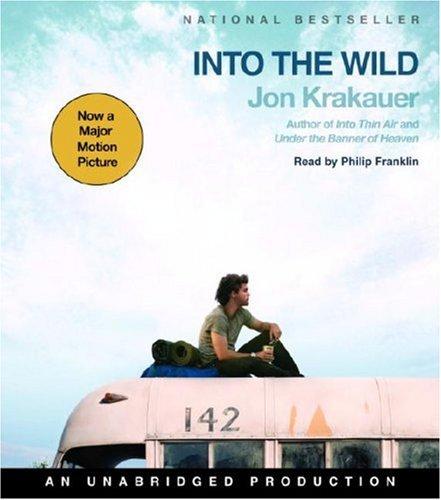
Book summary
Into the Wild by Jon Krakauer tells the true story of Christopher McCandless, a privileged young man who in 1992 donated his savings to charity, abandoned his possessions and identity, and hitchhiked to Alaska to live alone in the wilderness north of Mt. McKinley, where he died of starvation four months later. Krakauer reconstructs McCandless's two-year odyssey of wandering across America under the name Alexander Supertramp, driven by a rejection of materialism and a romantic craving for raw nature inspired by writers like Jack London and John Muir. The core argument is that McCandless was not a naive suicidal fool but a complex idealist compelled by the seductive pull of the American wilderness, the thrill of risk, and strained family bonds, especially with his father, revealing deeper truths about youthful rebellion and the blurred line between transcendence and fatal hubris.
Key founder lessons
-
1
Reject societal expectations ruthlessly
McCandless donated his savings and severed family ties to pursue authenticity; founders must cut dependencies on approval or conventional paths to unlock radical focus.
-
2
Test assumptions with extreme preparation
His fatal underestimation of Alaskan wilderness shows founders must validate every hypothesis through rigorous research before committing irreversible resources.
-
3
Embrace solitude for clarity
McCandless's solo odyssey into blank spots on the map mirrors how founders gain breakthrough insights only by removing noise and external influences.
-
4
Balance idealism with practical skills
His admiration for London and Muir fueled vision but lack of bushcraft killed him; founders must pair bold vision with hands-on execution competence.
-
5
Heed the pull of high-stakes adventure
Krakauer reveals the young-male drive to risk everything for transcendence; founders should channel this into calculated leaps rather than naive self-destruction.
Grok's review
Romantic fatalism for founders who hate their parents.
Into the Wild is a gripping narrative that captures the seductive pull of radical autonomy and the American wilderness myth, but it’s padded with repetitive speculation and Krakauer’s own thinly veiled autobiography. The evidence for why McCandless did what he did remains conjectural at best—mostly projection from the author’s admitted obsession and a handful of journal scraps—making the “profound insights” feel more literary than substantive. Dated now in its 90s romanticism of dropping out and burning cash, it still resonates with any founder who has fantasized about walking away from the boardroom to chase an unfiltered vision. Ultimately it’s a cautionary tale about hubris, poor preparation, and ignoring maps (both literal and metaphorical), but the book spends too much time excusing the protagonist’s avoidable stupidity instead of dissecting the real leadership failure: refusing to test assumptions before going all-in.
Best for: Founders tempted by the solo-founder myth.
Similar books
-

The Alchemist
Paulo Coelho (Author)
Adventure tale of pursuing destiny offers lessons on resilience and vision for founders chasing ambitious goals.
-

Wild
Cheryl Strayed, Isabel Ferrer
Gritty solo journey of self-discovery mirrors startup hardships and personal growth needed to build companies.
-

Shoe Dog
Phil Knight
Raw memoir of Nike's chaotic founding adventure highlights perseverance, risk, and leadership lessons.
-

The Ride of a Lifetime
Robert Iger
Insider story of transforming Disney reveals bold decision-making and strategic vision for scaling ventures.
-
Man's Search for Meaning : An Introduction to Logotherapy
Viktor Emil Frankl
Profound account of finding purpose in suffering equips founders with mental toughness for tough times.
-
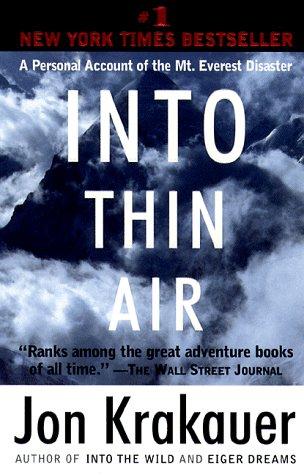
Into Thin Air
Jon Krakauer
High-stakes Everest expedition narrative teaches risk assessment, teamwork, and crisis leadership for startups.
Founder activity
Nobody has shelved this yet
Be the first founder to add it.