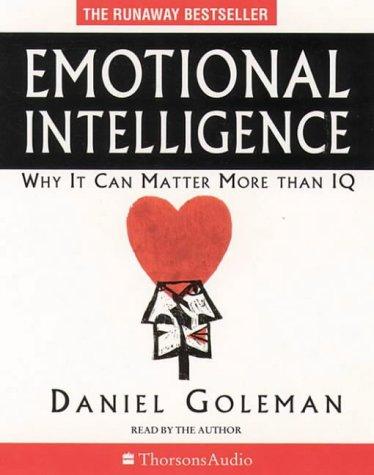
Book summary
Emotional Intelligence by Daniel Goleman argues that our traditional view of IQ as the primary driver of success is incomplete and that emotional intelligence (EQ) is often a stronger predictor of personal and professional achievement. The book explores how self-awareness, self-regulation, motivation, empathy, and social skills enable people to manage their emotions, navigate relationships, handle setbacks, and perform effectively under pressure. Goleman contends that EQ can be cultivated throughout life and that its absence can undermine even high intellectual ability, leading to poor decisions, failed careers, and interpersonal difficulties. Ultimately the work makes the case for balancing cognitive intelligence with emotional competence to foster greater well-being and success in all areas of life.
Key founder lessons
-
1
Self-awareness beats raw IQ
Founders who monitor their emotions in real time avoid impulsive pivots and make clearer strategic calls, as Goleman shows self-awareness underpins all EI.
-
2
Manage disruptive emotions
Channel anger and anxiety into focused problem-solving instead of reactive emails or premature quits, directly applying Goleman’s emotional self-regulation techniques.
-
3
Read team emotions accurately
Scan subtle cues in investor meetings or standups to gauge true sentiment, enabling founders to adjust messaging or address hidden concerns before they escalate.
-
4
Build genuine empathy
Understand cofounders’ and customers’ underlying feelings to create products and cultures that resonate, rather than assuming everyone shares the founder’s view.
-
5
Master relationship management
Use influence, conflict resolution, and team-building skills to align stakeholders, turning EI into the “soft” edge that sustains startups through crises.
Grok's review
Seminal but padded; EQ basics still matter.
Goleman's Emotional Intelligence popularized the idea that self-awareness, self-regulation, empathy, and social skill often trump raw IQ in leadership and team performance—crucial for founders navigating chaos, hiring, and scaling culture. The core framework holds up and has influenced countless management books that followed. But it's weakened by repetition, pop-psych anecdotes, and thin empirical grounding that feels dated 30 years later; the middle sections drag like a textbook trying to hit a page count. Still worth reading once if you haven't, but skim after the first 80 pages—modern summaries or newer works like Annie Duke on decision-making deliver the same value faster.
Best for: Founders weak on people skills or team conflict.
Similar books
-

Thinking, fast and slow
Daniel Kahneman
Reveals cognitive biases that shape decisions, essential for better leadership and strategy.
-

Drive
Daniel H. Pink
Explores motivation science to build high-performing teams and personal productivity.
-

The Psychology of Money
Morgan Housel
Teaches timeless behavioral lessons on wealth, risk, and decision-making for founders.
-

Leaders Eat Last
Simon Sinek
Shows how creating safety and trust boosts team performance and innovation.
-

Mindset
Carol S. Dweck
Explains growth mindset principles that fuel resilience and company culture.
-
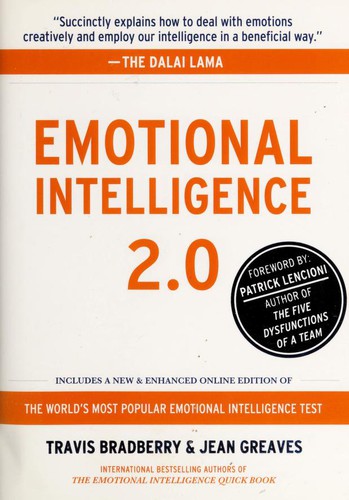
Emotional Intelligence 2.0
Travis Bradberry, Jean Greaves
Provides practical strategies and assessment to apply EQ for better management.
Founder activity
Nobody has shelved this yet
Be the first founder to add it.