
Book summary
Thinking in Systems by Donella H. Meadows and Diana Wright is an accessible introduction to the study of complex systems that shape our world from ecosystems and economies to organizations and societies. The book explains core concepts such as stocks and flows, feedback loops, leverage points, and system resilience while showing how systems often produce counterintuitive behavior and unintended consequences. Meadows argues that understanding these dynamics allows us to intervene more effectively and avoid the traps created by linear thinking. At its core the work advocates shifting from isolated events to seeing interconnections, patterns, and the potential for transformative change through wiser system design and humility about our ability to control them.
Key founder lessons
-
1
Identify and leverage leverage points
Founders map system structures to find high-impact intervention points like rules or goals for outsized startup growth.
-
2
Understand delays in feedback loops
Recognize time lags in customer or market responses to avoid overcorrecting and destabilizing early-stage operations.
-
3
Design resilient self-organizing systems
Build teams and processes that adapt autonomously, fostering innovation without constant founder intervention.
-
4
Watch for shifting the burden traps
Avoid short-term fixes that erode long-term system capacity, such as relying on external funding over sustainable revenue.
-
5
Challenge paradigms and transcend limits
Question underlying assumptions of the business model to unlock new possibilities beyond current constraints.
Grok's review
Essential mental models, but padded with 70s environmentalism.
Thinking in Systems is one of the clearest introductions to stocks, flows, feedback loops, leverage points, and delays ever written. Meadows' examples of how systems produce counterintuitive behavior are gold for founders trying to debug growth engines, culture, or market dynamics. The book genuinely rewires how you see organizations and incentives. Its weaknesses are real: it feels padded with repetitive diagrams and 1970s ecological case studies that haven't aged perfectly, some of the policy prescriptions feel dated or thinly evidenced by today's standards, and the final chapters drift into earnest sustainability preaching that can feel preachy rather than pragmatic. Still, the core toolkit is timeless and under-taught in business circles.
Best for: Founders who want better mental models for complex organizations and growth.
Similar books
-

The Fifth Discipline
Peter Senge, Peter M. Senge
Master systems thinking applied to organizations for building adaptive, high-performing companies.
-

High Output Management
Andrew S. Grove
Timeless systems for scaling teams, productivity, and management with clear operational frameworks.
-

Principles
Ray Dalio
Systems-based decision-making and management principles from a legendary builder and investor.
-
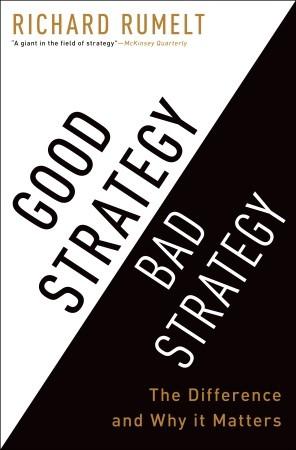
Good Strategy, Bad Strategy
Richard P. Rumelt
Teaches rigorous strategic thinking as a system for navigating complexity and competition.
-
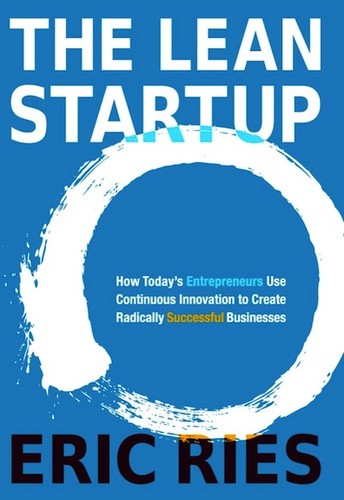
The Lean Startup
Eric Ries
Builds a scientific, iterative system for creating and scaling successful startups efficiently.
-

Thinking, fast and slow
Daniel Kahneman
Reveals cognitive systems and biases to improve founder decision-making and leadership.
Founder activity
Nobody has shelved this yet
Be the first founder to add it.