
Book summary
The Likeability Factor by Tim Sanders argues that success in all areas of life—from careers and relationships to health and happiness—depends on winning “popularity contests” by increasing how much others like you. Drawing on extensive research and interviews, the book identifies four controllable traits that raise your likeability factor: friendliness (signaling warmth and openness), relevance (connecting to others’ needs and interests), empathy (accurately sensing and responding to feelings), and realness (authenticity that makes the other traits believable). Sanders contends that consciously improving these elements not only makes people want to be around you but also enables you to bring out the best in others, survive adversity, perform better in daily roles, and create positive ripple effects in their lives. Ultimately the book offers a practical framework for turning likeability into a strategic advantage that shapes personal and professional outcomes.
Key founder lessons
-
1
Boost Friendliness First
Founders who radiate warmth and openness build instant rapport with investors, customers, and teams, turning initial meetings into lasting alliances as per Sanders' core research.
-
2
Maximize Personal Relevance
Connect deeply with stakeholders' specific needs and goals; founders who align their product vision to others' interests win loyalty and repeat business.
-
3
Cultivate Genuine Empathy
Recognize and validate team and customer emotions to foster trust; this emotional intelligence helps navigate tough pivots and retain talent longer.
-
4
Anchor in Realness
Ensure authenticity backs every interaction so likeability endures; founders who stay transparent avoid the backlash that sinks inauthentic personal brands.
-
5
Win Popularity Contests
Treat every pitch, hire, and sale as a likeability vote; higher likeability directly improves health, performance, and outcomes in the relational battles of startup life.
Grok's review
Dated pop-psych filler for networking newbies.
Sanders packages four traits—friendliness, relevance, empathy, and realness—into a breezy framework that feels like a 2005 airport book stretched thin with repetitive anecdotes and weak evidence. The core insight (people do business with those they like) is obvious to any founder who's ever sold anything, yet the book pads it with decades-old studies, seminar war stories, and advice that now reads as generic LinkedIn wisdom. Its biggest weakness is the lack of rigor: 'hundreds of thousands of pages of research' is name-dropped without meaningful citations or counterexamples, leaving the whole thing feeling more motivational than substantive. For startup founders navigating fundraising, hiring, or sales, it's a quick skim at best but offers little edge over modern works on emotional intelligence or influence.
Best for: Entry-level sales reps seeking basic rapport skills.
Similar books
-

How to Win Friends and Influence People
Dale Carnegie
Master timeless principles of building genuine relationships and likability essential for leadership and sales.
-
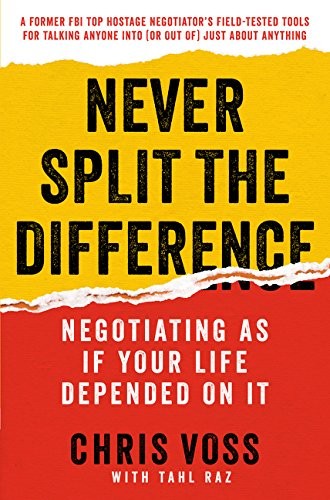
Never Split the Difference
Chris Voss, Tahl Raz
Learn negotiation tactics rooted in emotional intelligence and rapport-building for better business outcomes.
-

The charisma myth
Olivia Fox Cabane, Olivia Cabane
Discover practical techniques to boost personal magnetism and influence in professional settings.
-
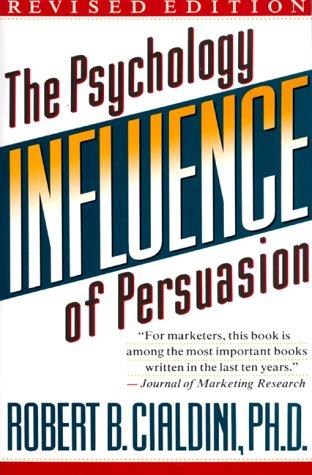
Influence
Robert B. Cialdini
Understand core principles of persuasion and why people say yes, enhancing your likeability and impact.
-
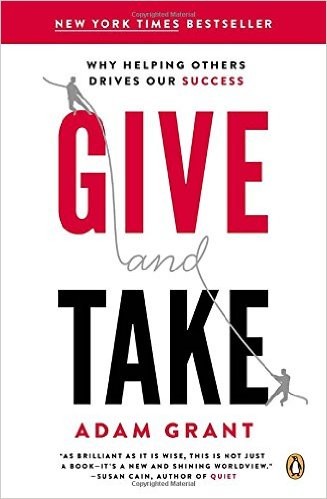
Give and Take
Adam Grant, Adam M. Grant
Explore how generosity drives success, fostering likable networks that propel careers and startups.
-

Emotional Intelligence
Daniel Goleman
Build self-awareness and empathy skills that amplify likability and leadership effectiveness.
Founder activity
Nobody has shelved this yet
Be the first founder to add it.