
Book summary
Playing to Win by A.G. Lafley and Roger Martin is a practical guide to strategy that argues it is fundamentally about making clear, integrated choices to win in the marketplace. The book centers on a five-part framework—what winning looks like, where to play, how to win, what capabilities to build, and what management systems to install—that forces leaders to confront hard trade-offs rather than pursue vague ambitions. Through Lafley’s experience turning around Procter & Gamble, the authors show how disciplined strategic thinking creates focus, alignment, and sustainable competitive advantage. Ultimately, the core argument is that strategy is not complex but demands the courage to choose specifically about the future, which most organizations avoid.
Key founder lessons
-
1
Choose where to play
Founders must explicitly select target markets, customer segments, and geographies to focus limited resources instead of chasing every opportunity.
-
2
Define how to win
Decide on a unique value proposition and competitive advantage that beats rivals in the chosen playing field, such as cost leadership or differentiation.
-
3
Make core capabilities
Build and align specific activities, systems, and skills that support the where-to-play and how-to-win choices to create sustainable advantage.
-
4
Manage the management system
Install rigorous processes for strategy review, resource allocation, and accountability that turn choices into consistent action across the startup.
-
5
Reverse-engineer from winning
Start strategy with the end in mind by analyzing what a winning position looks like in five years and working backward to current choices.
Grok's review
Classic strategy distilled, but corporate-heavy for startups.
Lafley and Martin deliver a refreshingly clear framework—where to play and how to win—that forces the hard choices most founders dodge. The logic is crisp, the examples (mostly P&G wins) are instructive, and it cuts through the fluff that plagues most strategy books. Weaknesses include some padding in the later chapters, a dated 2013 lens that feels pre-platform economy, and evidence that's heavy on big-company case studies with thinner rigorous proof than academic purists would like. Still, the core ideas remain timeless and brutally practical; it's one of the few strategy books that actually changes how you allocate resources and say no.
Best for: Founders scaling past product-market fit who need disciplined choices.
Similar books
-
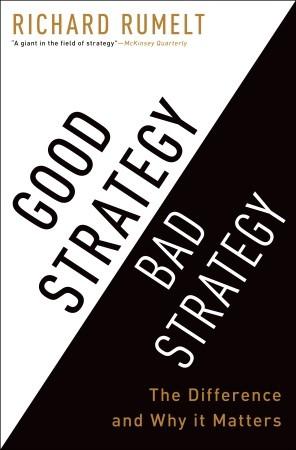
Good Strategy, Bad Strategy
Richard P. Rumelt
Masterful framework for crafting clear, coherent strategies that win in competitive markets.
-
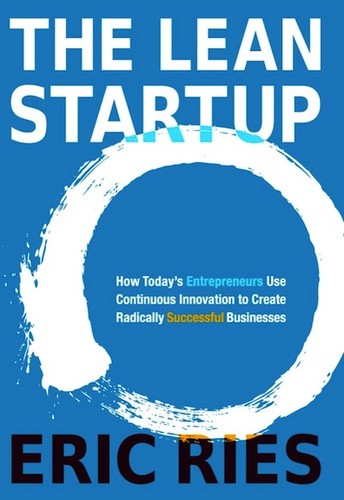
The Lean Startup
Eric Ries
Teaches rigorous experimentation and iteration to build products that truly win with customers.
-

High Output Management
Andrew S. Grove
Timeless principles on operational excellence, decision-making, and scaling teams effectively.
-

Only the paranoid survive
Andrew S. Grove
Reveals how to navigate strategic inflection points and make bold choices under pressure.
-
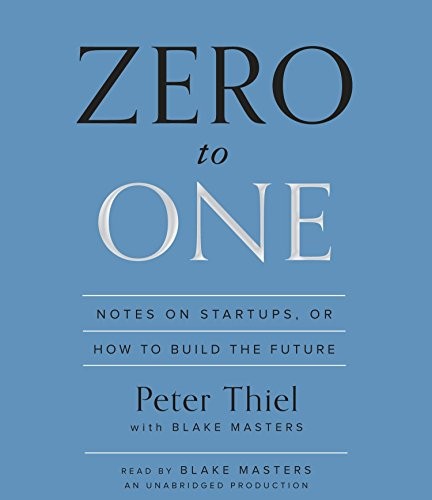
Zero to One
Peter A. Thiel, Blake Masters
Challenges founders to create true innovation and monopoly-like advantages instead of competing.
-
The Hard Thing About Hard Things
Ben Horowitz
Raw, practical wisdom on leading through crises, tough decisions, and company-building realities.
Founder activity
Nobody has shelved this yet
Be the first founder to add it.