
Book summary
Dare to Lead by Brené Brown explores how true leadership is not about titles or power but about taking responsibility for developing potential in people and ideas through courage and vulnerability. The book argues that effective leaders embrace traits like curiosity, empathy, connection, and the willingness to have difficult conversations rather than avoiding them or hoarding power. In a world of scarcity, fear, and uncertainty, daring leadership requires building skills around these deeply human qualities, especially as technology advances, making empathy and courage more essential than ever. Brown's core message is that vulnerability, when practiced with boundaries and trust, fuels innovation, belonging, and meaningful work.
Key founder lessons
-
1
Rumble with vulnerability
Founders must lean into discomfort and uncertainty during tough decisions instead of armor up, building trust by modeling openness in team meetings.
-
2
Dare to stay curious
Ask more questions than provide answers when facing pivots or failures, turning unknowns into opportunities for innovation and clearer strategy.
-
3
Live into your values
Clearly define and align company behaviors with core values, using them as filters for hiring, culture, and every tough call.
-
4
Embrace the suck of feedback
Seek and integrate hard feedback on leadership blind spots without defensiveness, accelerating personal growth and team performance.
-
5
Build trust through BRAVING
Apply boundaries, reliability, accountability, vault, integrity, nonjudgment, and generosity to create psychological safety for bold idea-sharing.
Grok's review
Empathy-heavy but padded self-help for leaders.
Brown packages vulnerability, shame resilience, and rumbling with tough conversations into a leadership framework that resonates in theory but feels repetitive and padded in practice. The book leans heavily on her prior TED fame and research without adding much new evidence or rigor; the stories are compelling yet often anecdotal, and the ideas around daring leadership now feel somewhat dated in the post-2018 startup world of remote work, AI, and brutal efficiency demands. It’s candid about the emotional labor of leadership, which is refreshing, but the exercises and lists can read like corporate workshop filler rather than sharp, founder-tested tactics. Worth skimming if you struggle with hard feedback or team trust issues, but it won’t replace books with tighter strategy or operational depth.
Best for: Empathetic founders avoiding tough conversations
Similar books
-

Radical Candor
Kim Malone Scott
Teaches caring personally while challenging directly to build high-trust teams.
-
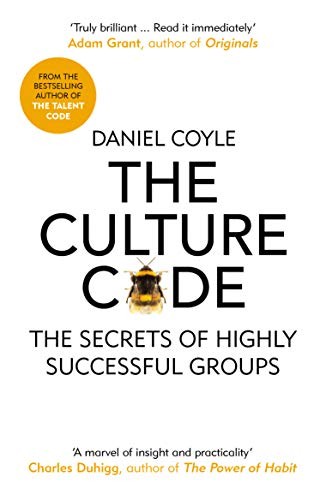
The culture code
Daniel Coyle
Reveals how great groups create psychological safety and cohesion for peak performance.
-

Leaders Eat Last
Simon Sinek
Shows how leaders who put people first create safe environments that drive loyalty and innovation.
-

Atomic Habits
James Clear
Delivers practical systems for building productive behaviors and scaling personal effectiveness.
-

Thinking, fast and slow
Daniel Kahneman
Illuminates cognitive biases to improve decision-making under uncertainty.
-
The Hard Thing About Hard Things
Ben Horowitz
Offers raw, battle-tested advice on navigating the toughest CEO challenges.
Founder activity
Nobody has shelved this yet
Be the first founder to add it.