
Book summary
Radical Candor by Kim Malone Scott presents a simple but powerful management framework centered on the idea that great bosses must simultaneously Care Personally about their people and Challenge Directly with candid feedback. The book warns against the three failing alternatives—obnoxious aggression, ruinous empathy, and manipulative insincerity—and shows how balancing care and challenge builds trust, enables effective praise and criticism, and creates a healthy culture. Scott draws on her experiences at Google, Apple, and as a CEO coach to outline practical tools for building cohesive teams, developing employees, and delivering results while preserving humanity and meaning at work. The core argument is that relationships, not systems or strategies alone, are the key to exceptional leadership and organizational success.
Key founder lessons
-
1
Master Care Personally + Challenge Directly
Founders build trust by showing they care about employees as people while directly challenging their work, avoiding ruinous empathy or obnoxious aggression.
-
2
Create a culture of immediate feedback
Founders solicit, give, and encourage praise and criticism in real time to prevent performance surprises and accelerate team growth.
-
3
Hire, fire, and promote for growth trajectory
Founders evaluate team members on their current skill and future growth potential, moving superstars up, rock stars laterally, and underperformers out.
-
4
Build a cohesive team through relationships
Founders invest time in 1:1s and skip-level meetings to understand motivations, fostering collaboration and results everyone is proud of.
-
5
Balance results with humanity
Founders achieve ambitious outcomes by retaining their own humanity and helping teams find meaning, avoiding burnout while driving performance.
Grok's review
Useful framework, bloated by repetition and anecdotes.
The core 2x2 of Radical Candor—Care Personally while Challenging Directly—is genuinely powerful and has helped countless founders give feedback without becoming either doormats or assholes. Scott's stories from Google and Apple feel lived-in, and the distinction between ruinous empathy, manipulative insincerity, and obnoxious aggression is now part of startup vocabulary for good reason. Unfortunately the book is padded with repetitive examples, corporate jargon, and thin evidence that often feels like one person's war stories stretched into a 250-page framework. Some of the advice has also aged poorly in remote-first, post-2010s workplaces where psychological safety debates have evolved. Still worth reading once if you're a first-time manager or founder suddenly responsible for a growing team, but treat it as a strong concept with filler rather than gospel.
Best for: New managers struggling with feedback
Similar books
-

High Output Management
Andrew S. Grove
Masterclass in effective management and scaling teams with practical frameworks.
-

The Making of a Manager
Julie Zhuo
Practical guide to transitioning into management with candid insights on leading people.
-

Crucial Conversations
Kerry Patterson, Joseph Grenny
Teaches how to handle high-stakes talks with candor and better outcomes.
-

Dare to lead
Brené Brown
Builds brave, trust-filled cultures through vulnerability and honest feedback.
-
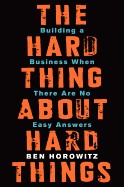
The Hard Thing About Hard Things
Ben Horowitz
Raw lessons on leadership, tough decisions, and building companies without easy answers.
-

Good to Great
Collins, James C., Jim Collins
Data-driven insights on what elevates companies through disciplined people and leadership.
Founder activity
Nobody has shelved this yet
Be the first founder to add it.