
Book summary
The Five Dysfunctions of a Team by Patrick Lencioni is a leadership fable about a new CEO named Kathryn who takes over a dysfunctional Silicon Valley executive team and systematically rebuilds it. The book outlines a model of five interconnected pitfalls that prevent teams from performing well: absence of trust, fear of conflict, lack of commitment, avoidance of accountability, and inattention to results. Lencioni's core argument is that these dysfunctions form a pyramid where each builds upon the last, and overcoming them requires vulnerability-based trust, productive ideological conflict, clear buy-in, peer-to-peer accountability, and a focus on collective outcomes above individual egos or status. The story illustrates practical tools for diagnosing and curing these issues to create truly cohesive and high-performing teams.
Key founder lessons
-
1
Absence of Trust is foundational
Founders must model vulnerability first to build genuine trust, enabling open dialogue without fear of judgment.
-
2
Fear of Conflict must be confronted
Encourage productive, ideological conflict in meetings to surface the best ideas rather than artificial harmony.
-
3
Lack of Commitment kills execution
Gain buy-in through clarity and closure in decisions, ensuring the whole team aligns even without full consensus.
-
4
Avoid Accountability at your peril
Peers must hold each other accountable to standards and commitments, with the founder setting the tone.
-
5
Inattention to Results undermines everything
Focus the team on collective outcomes over individual egos or status, measuring success by shared goals.
Grok's review
Valuable team model, padded fable format.
Lencioni nails the core insight that trust, conflict, commitment, accountability, and results form a pyramid where most teams fail at the base. The business fable makes the model memorable and the discussion questions at the end are genuinely useful for offsites. That said, it's padded with a long, slow narrative that feels like a mediocre airport novel, the evidence is anecdotal rather than rigorous, and some of the corporate examples already feel dated in today's remote-first startup world. Still worth reading once because the framework is battle-tested and directly applicable to scaling teams without the usual HR fluff.
Best for: Founders struggling with dysfunctional exec teams
Similar books
-

The Advantage
Patrick Lencioni
Builds on team health with practical organizational health strategies for leaders.
-

High Output Management
Andrew S. Grove
Masterful on management, productivity, and scaling teams effectively.
-

Good to Great
Collins, James C., Jim Collins
Insights on what makes companies excel with disciplined people and leadership.
-
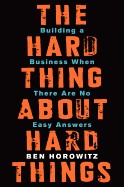
The Hard Thing About Hard Things
Ben Horowitz
Raw lessons on leadership, crises, and building teams through tough times.
-

Leaders Eat Last
Simon Sinek
Explores trust, safety, and why great leaders create loyal teams.
-

Radical Candor
Kim Malone Scott
Teaches candid feedback to build strong, high-performing teams.
Founder activity
Nobody has shelved this yet
Be the first founder to add it.