
Book summary
The Man Who Knew is a sweeping biography of Alan Greenspan that traces his improbable rise from jazz musician and economic consultant to the most powerful central banker in history. Mallaby shows how Greenspan's deep faith in markets, shaped by Ayn Rand's philosophy and his own data-driven pragmatism, guided Fed policy through financial crises, deregulation, and the tech boom while repeatedly rescuing the system with easy money. The core argument is that Greenspan possessed unmatched foresight about the economy yet failed to fully grasp the dangers of the financial innovations and debt buildup he helped unleash, making him both the man who knew and the one who ultimately did not.
Key founder lessons
-
1
Master data and models but distrust certainty
Greenspan's rigorous analysis of economic data taught founders to immerse in metrics while remaining skeptical of overconfident forecasts.
-
2
Build credibility through consistent competence
His decades of quiet expertise earned trust from presidents and markets, showing founders how reliable delivery compounds influence over time.
-
3
Navigate political power with pragmatic flexibility
Greenspan's ability to adapt policy to shifting administrations illustrates how founders must balance principles with political realities to sustain growth.
-
4
Recognize limits of central control in complex systems
His evolving views on regulation and bubbles warn founders against over-managing startups, favoring adaptability in unpredictable environments.
-
5
Balance short-term stability with long-term risks
Greenspan's low-rate policies fueled booms but contributed to crises, reminding founders to avoid myopic decisions that inflate future vulnerabilities.
Grok's review
Dense Fed history that tests founder patience.
Mallaby delivers a meticulously researched, 800-page doorstop that humanizes Greenspan while exposing how his ideological evolution shaped modern finance and repeated bubbles. The strengths are clear: superb access, sharp analysis of the uneasy marriage between politics and central banking, and a cautionary tale about over-reliance on one man's judgment. Weaknesses are equally glaring: the book is badly padded with tangential details and minor characters that dilute momentum, some of its policy conclusions feel dated post-2008 and post-QE, and the evidence occasionally leans too heavily on Greenspan's own recollections without enough counterweight. For startup founders it's worth the slog only if you're obsessed with macro forces, monetary policy, or the hubris of experts; otherwise it's a slow, academic grind that rarely translates to building companies.
Best for: Macro-curious founders and policy wonks
Similar books
-

The Snowball
Alice Schroeder
Reveals Buffett's investing genius and life lessons on decision-making, patience, and building enduring value.
-

Titan
Ron Chernow
Masterful biography of Rockefeller's empire-building, ruthless strategy, and philanthropy insights for founders.
-

Steve Jobs
Walter Isaacson
Deep dive into Jobs' innovation, leadership style, and reality distortion field for building iconic companies.
-
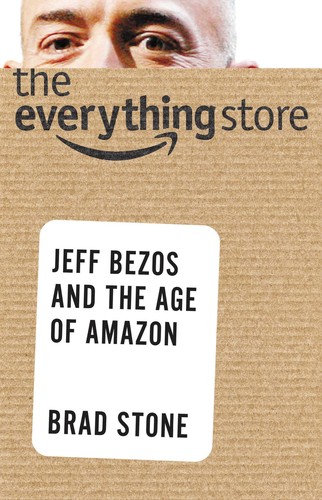
The Everything Store
Brad Stone, Brad Stone
Chronicles Bezos' long-term thinking, customer obsession, and relentless execution building Amazon.
-

Bad Blood
John Carreyrou
Cautionary tale of Theranos fraud exposing leadership failures, ethics, and the perils of hype in startups.
-

The Spider Network
David Enrich
Gripping account of LIBOR rigging with lessons on greed, networks, and ethical decision-making in finance.
Founder activity
Nobody has shelved this yet
Be the first founder to add it.