
Book summary
Bad Science by Ben Goldacre is a witty exposé of the misuse and misrepresentation of science in medicine, the media, nutrition, cosmetics, and alternative therapies. Goldacre systematically dismantles pseudoscientific claims such as homeopathy, detox footbaths, brain-training gimmicks, and flawed pharmaceutical research, using clear explanations of statistics, evidence hierarchies, and the placebo effect. The core argument is that poor science literacy and journalistic standards allow charlatans and corporations to mislead the public, and that understanding real scientific methods is essential for critical thinking and informed decision-making in everyday life.
Key founder lessons
-
1
Demand rigorous evidence
Founders must scrutinize clinical trial data and placebo controls before adopting any marketing claims or product features hyped by weak studies.
-
2
Spot statistical manipulation
Examine p-values, sample sizes, and cherry-picked endpoints when evaluating competitor benchmarks or internal growth metrics.
-
3
Question authority and experts
Challenge endorsements from influencers or 'experts' lacking transparent methodology, just as Goldacre debunks celebrity doctors.
-
4
Avoid confusing correlation with causation
Test assumptions rigorously before scaling features or campaigns that seem linked to success but may be coincidental.
-
5
Combat misinformation actively
Publicly call out misleading claims in your industry, building credibility like Goldacre's column that educates while entertaining.
Grok's review
Sharp skewer of pseudoscience, but padded and dated.
Goldacre's splenetic takedown of detox footbaths, homeopathy, nutrition quacks, and media misreporting on science is genuinely funny and cathartic for any founder who's watched investors or customers fall for glossy nonsense. The core message—that statistics can be tortured, trials cherry-picked, and authority misused—lands hard and equips you to spot bad evidence in pitches, marketing claims, or your own growth experiments. But it's weakened by repetition, a few sections that feel like blog-post padding, and evidence that's sometimes thinner than the author admits; plus, published in 2008, the specific targets (certain supplements, early social-media health fads) now feel dated even if the underlying sins persist. Worth a founder's time if you want to sharpen your bullshit detector, but don't expect a timeless business classic.
Best for: Founders who hate hype and want sharper critical thinking.
Similar books
-

Thinking, fast and slow
Daniel Kahneman
Reveals cognitive biases and decision traps that every founder must navigate to avoid bad business choices.
-
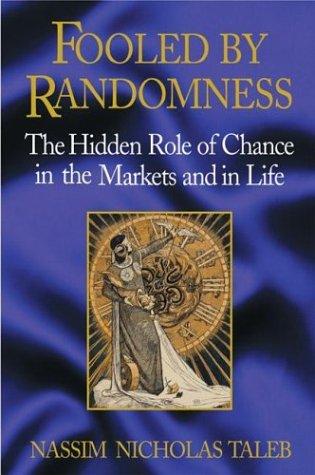
Fooled by randomness
Nassim Nicholas Taleb
Exposes how luck and randomness mislead us, teaching founders to build antifragile strategies.
-

Superforecasting
Philip E. Tetlock, Dan Gardner
Shows how to improve prediction accuracy, helping founders forecast markets and manage uncertainty.
-
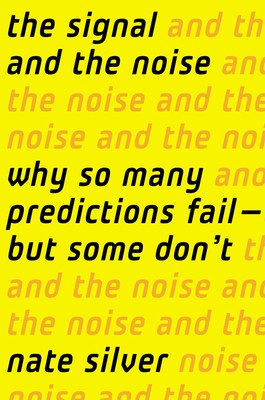
The Signal and the Noise
Nate Silver
Teaches separating meaningful data from noise, essential for analytics-driven startup growth.
-
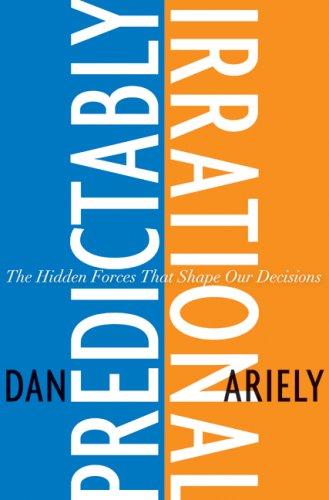
Predictably Irrational
Dan Ariely
Uncovers hidden forces shaping decisions, informing better pricing, marketing, and user behavior strategies.
Founder activity
Nobody has shelved this yet
Be the first founder to add it.