
Book summary
Endure by Alex Hutchinson explores the science of human endurance limits in extreme physical efforts like marathons ultramarathons and mountaineering. Drawing on studies in physiology psychology and neuroscience the book argues that the brain acts as a central governor that regulates performance to protect the body often imposing limits well before muscles or organs fail. Through stories of elite athletes and groundbreaking experiments Hutchinson shows how factors like motivation perception of effort and mental training can expand those limits revealing that endurance is as much a psychological battle as a physical one. The core argument is that our true boundaries are far more malleable than traditionally believed and can be pushed by rethinking the mind-body connection.
Key founder lessons
-
1
Mind over muscle limits
Founders should recognize that perceived exhaustion often caps progress before physical limits, pushing through mental barriers in tough startup phases.
-
2
Embrace discomfort willingly
Training the brain to accept pain voluntarily, like athletes do, helps founders endure the daily grind of uncertainty and rejection.
-
3
Belief shapes performance
Cultivating self-belief and optimism, as shown in studies on placebos and expectations, boosts founder resilience during fundraising slumps.
-
4
Pacing is strategic
Like ultrarunners monitoring effort, founders must calibrate energy across marathon timelines rather than burning out in sprints.
-
5
Group endurance multiplies
Social dynamics and shared suffering enhance individual limits, so building supportive teams amplifies collective startup endurance.
Grok's review
Brain-over-brawn science that's solid but padded.
Endure delivers a compelling tour of the latest (circa 2018) research on how perception, psychology, and even placebos shape what we think our bodies can handle. Hutchinson is an engaging writer who avoids the usual inspirational fluff, grounding everything in studies on everything from heat tolerance to altitude and ultra-endurance. For founders, the core idea—that limits are often mental and can be reframed—is useful for pushing through tough product cycles or fundraising slogs. Weaknesses: it drags with repetitive anecdotes, some evidence feels thin or cherry-picked, and a few 'revolutionary' concepts already feel dated given post-2020 research on fatigue. It's no Atomic Habits for the endurance set, but the central thesis sticks.
Best for: Founders who run, grind, or need mental models for pushing limits.
Similar books
-

Peak
Roland Smith
Unpacks deliberate practice for mastering skills, directly applicable to building high-performing teams and scaling expertise.
-

The talent code
Daniel Coyle
Reveals how talent is grown through deep practice and ignition, offering lessons for hiring, culture, and founder development.
-
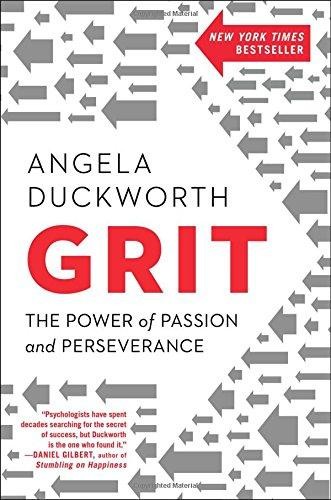
Grit
Angela Duckworth
Shows why passion and perseverance beat talent, essential for founders navigating long-term startup challenges.
-

Can't Hurt Me
David Goggins
Teaches mental toughness and pushing past limits, translating extreme endurance into resilience for business and leadership.
-

The Psychology of Money
Morgan Housel
Explores behavioral lessons on risk, patience, and decision-making under uncertainty, vital for founders and investors.
-

Atomic Habits
James Clear
Delivers systems for building tiny habits that compound into extraordinary results, perfect for personal and team productivity.
Founder activity
Nobody has shelved this yet
Be the first founder to add it.