
Book summary
The Talent Code by Daniel Coyle explores how talent is not innate but developed through deep practice, ignition, and master coaching. Coyle argues that skill acquisition stems from the biological process of building myelin insulation around neural circuits which speeds up and strengthens signal transmission in the brain. By examining talent hotbeds across sports, music, and education, he reveals that targeted repetition, intense focus, and motivational sparks create extraordinary ability in anyone. The book offers a practical framework for applying these principles to accelerate personal skill development and success.
Key founder lessons
-
1
Deep Practice Builds Myelin
Founders should break skills into small chunks, practice slowly with full focus, and repeat to insulate neural circuits for expertise.
-
2
Embrace Targeted Struggle
Startup leaders must seek the edge of their abilities daily, using errors as signals to trigger myelin growth and rapid improvement.
-
3
Ignition Sparks Motivation
Founders ignite passion by connecting to inspiring models or identities, fueling the sustained effort needed to build world-class teams and products.
-
4
Master Coaching for Precision
Hire or become coaches who deliver concise, specific feedback in the moment to accelerate myelin development in yourself and your team.
-
5
Talent is Grown, Not Born
View every team member's potential as expandable through deliberate practice, shifting hiring and culture from innate talent to trainable skill.
Grok's review
Useful myelin metaphor, padded with anecdotes.
The core idea in The Talent Code is genuinely interesting for founders: talent isn't magic but the result of targeted practice that builds myelin insulation around neural circuits, turning effort into skill. Coyle travels to talent hotbeds (Brazilian soccer fields, Russian tennis academies, Korean music schools) and extracts three practical levers—deep practice, ignition, and master coaching—that any team can apply to hiring, onboarding, and skill-building. Where it falls short is the classic pop-science padding: the same myelin point is hammered in repetitive loops, the evidence feels cherry-picked and thin (a few cherry-picked case studies stretched across chapters), and some of the neuroscience has aged poorly since 2009. Still, the book is short enough that the signal-to-noise ratio is acceptable if you skim the fluff.
Best for: Founders building high-skill teams or personal mastery habits
Similar books
-

The little book of talent
Daniel Coyle
Builds on talent development with 52 practical tips for skill-building and high performance.
-

Peak
Anders Ericsson, Robert Pool
Explains deliberate practice science to cultivate expertise, vital for founder and team mastery.
-
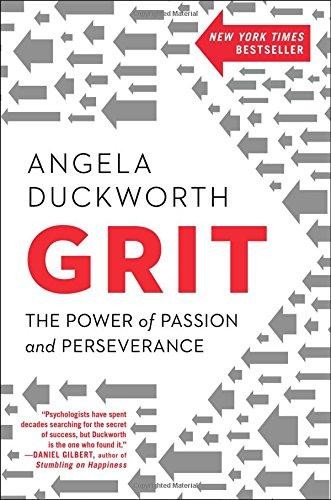
Grit
Angela Duckworth
Shows how passion and perseverance drive success, key for startup resilience and growth.
-

Mindset
Carol S. Dweck
Teaches growth mindset principles to foster innovation, learning, and team development.
-

Atomic Habits
James Clear
Offers systems for building habits that boost personal and organizational productivity.
-

Range
David J. Epstein
Argues generalists excel in complex fields, guiding versatile career and company building.
Founder activity
Nobody has shelved this yet
Be the first founder to add it.