
Book summary
The Art of Startup Fundraising by Alejandro Cremades is a practical guide that demystifies the process of raising capital for entrepreneurs while also offering insights for investors. It explains how the JOBS Act has transformed the financing landscape by opening new digital channels such as equity crowdfunding, online platforms, and angel networks, making funding more accessible beyond traditional venture capital. The book provides step-by-step strategies for preparing pitches, valuing a startup, negotiating terms, building investor relationships, and scaling from seed stage through growth rounds. Its core argument is that fundraising is a learnable skill that can be mastered through preparation, persistence, and leveraging regulatory changes and technology rather than relying solely on personal connections.
Key founder lessons
-
1
Master the Pitch Deck First
Cremades stresses crafting a compelling deck as your primary tool to secure investor meetings and funding.
-
2
Leverage the JOBS Act Changes
Founders should use new crowdfunding and Title III rules to access non-accredited investors and speed up raises.
-
3
Build Investor Relationships Early
Start networking with angels and VCs long before you need money to create warm intros and trust.
-
4
Choose the Right Funding Stage
Align your round—seed, Series A—with traction metrics and avoid raising too much or too little capital.
-
5
Negotiate Term Sheets Wisely
Understand key terms like valuation, liquidation preferences, and board seats to protect founder equity and control.
Grok's review
Useful basics, padded and increasingly dated.
Cremades delivers a straightforward primer on startup fundraising mechanics, with decent overviews of term sheets, angel rounds, and how the JOBS Act opened crowdfunding doors. The core explanations remain accessible for first-timers, and the digital-financing angle was genuinely forward-looking when published. But the book is heavily padded with repetitive anecdotes, generic advice, and filler chapters that feel like stretched blog posts; the evidence is mostly the author's own deals plus well-trodden case studies rather than rigorous data or novel insight. Several tactics around platforms and regulations now feel dated given how quickly the startup funding landscape has shifted since 2016. Worth skimming if you're brand new to raising capital, but experienced founders will find little beyond surface-level reminders.
Best for: First-time technical founders entering their initial raise.
Similar books
-

Venture deals
Brad Feld
Essential guide to term sheets, negotiations, and VC deals that every founder must master.
-
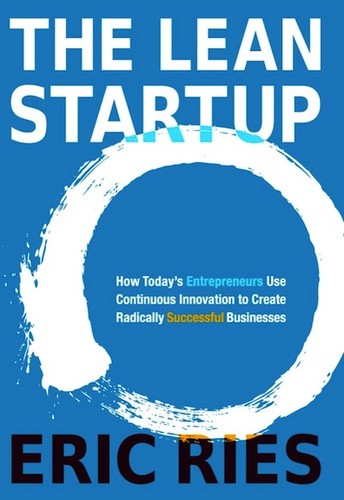
The Lean Startup
Eric Ries
Teaches validated learning and iterative building to reduce risk and raise smarter capital.
-
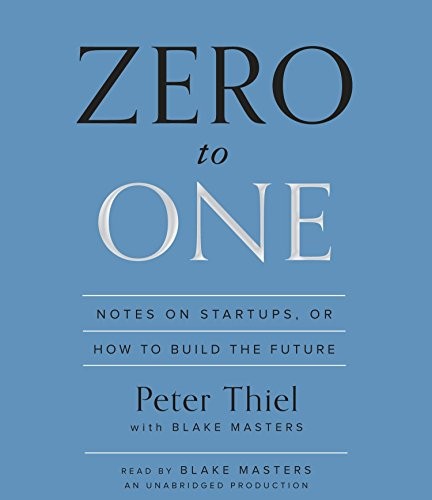
Zero to One
Peter A. Thiel, Blake Masters
Reveals how to create breakthrough value and position your startup for outsized success.
-
The Hard Thing About Hard Things
Ben Horowitz
Raw lessons on leadership, crises, and scaling that prepare founders for real-world pressures.
-

Pitch anything
Oren Klaff
Master the psychology and framing techniques to captivate investors during pitches.
-

Traction
Gino Wickman
Provides a practical system to organize operations, freeing founders to focus on growth and fundraising.
Founder activity
Nobody has shelved this yet
Be the first founder to add it.