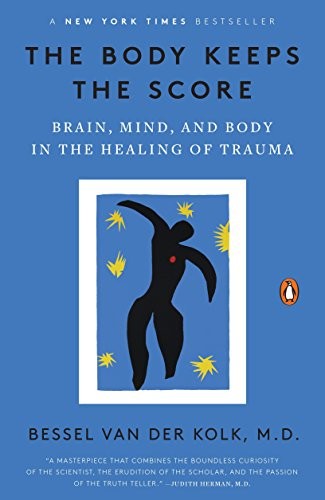
Book summary
The Body Keeps the Score by Bessel van der Kolk explores how trauma reshapes both the brain and body leaving survivors trapped in cycles of hyperarousal fear and disconnection that impair pleasure trust and self-regulation. Drawing on decades of clinical work and neuroscience the book demonstrates that traumatic memories are stored somatically rather than narratively so traditional talk therapy often fails while interventions that engage the body such as yoga neurofeedback EMDR and theater can restore safety and neuroplasticity. Van der Kolk argues that healing requires addressing the full spectrum of relational and physiological damage emphasizing that secure human connections hold the greatest power to counteract trauma’s lasting effects. The core message is that recovery is possible once we treat trauma as a bodily experience rather than solely a psychological one.
Key founder lessons
-
1
Recognize trauma's physical imprint
Founders must address how chronic stress embeds in the body, impairing decision-making and resilience under pressure.
-
2
Prioritize neuroplasticity practices
Incorporate yoga, meditation, or neurofeedback to rewire brain pathways for better focus and emotional regulation.
-
3
Build safe relationships
Foster team trust and psychological safety, as healing from trauma occurs through supportive interpersonal connections.
-
4
Use body-based therapies
Apply movement and sensory experiences like sports or drama to release trapped trauma and boost creativity.
-
5
Avoid suppression, promote integration
Process past wounds through EMDR or similar methods to restore self-control and prevent burnout in high-stakes environments.
Grok's review
Eye-opening on trauma, but bloated and overhyped.
The book convincingly shows how trauma rewires the nervous system and why talk therapy alone often fails, offering practical insights from yoga and EMDR that founders under chronic stress can actually use. Its core message about the body-mind link is powerful and has helped many high-performers recognize their own dysregulation. However, it's padded with repetitive anecdotes, leans on dated neuroscience by today's standards, and sometimes overclaims on thin or cherry-picked evidence for certain treatments. For startup founders, the first half is gold for self-awareness; the rest drags and risks turning into pseudoscience if read uncritically.
Best for: Stressed founders ignoring their nervous system
Similar books
-
Man's Search for Meaning : An Introduction to Logotherapy
Viktor Emil Frankl
Explores trauma, resilience, and purpose; teaches founders how to find meaning amid startup adversity.
-
The Obstacle is the Way
Ryan Holiday
Stoic wisdom on turning obstacles into advantages; builds mental toughness essential for leadership.
-

Emotional Intelligence
Daniel Goleman
Shows how to understand and manage emotions; vital for team-building, decision-making, and founder well-being.
-

Thinking, fast and slow
Daniel Kahneman
Reveals cognitive biases and decision traps; equips founders with better judgment under pressure.
-

Can't Hurt Me
David Goggins
Raw account of overcoming trauma through extreme mental toughness; inspires relentless execution in business.
-

The Psychology of Money
Morgan Housel
Uncovers behavioral truths about wealth and risk; sharpens founder mindset on long-term value creation.
Founder activity
Nobody has shelved this yet
Be the first founder to add it.