
Book summary
The Art of the Start by Guy Kawasaki is a practical guide for entrepreneurs on how to launch a business venture product or service with speed and effectiveness. Drawing from his experience at Apple and as a venture capitalist the book outlines key stages from bootstrapping and pitching to building a team and creating a brand while emphasizing passion persistence and a bias toward action over endless planning. Its core argument is that successful starting is less about formal business plans and more about quickly getting to market testing ideas and iterating based on real feedback to turn vision into reality.
Key founder lessons
-
1
Bootstrapping beats venture capital
Founders should start with minimal resources and revenue to validate ideas before seeking funding, as Kawasaki stresses self-funding builds discipline.
-
2
Make meaning, not just money
Prioritize creating something that improves lives or changes the world, which Kawasaki says attracts better talent and customers over pure profit motives.
-
3
Niche thyself uniquely
Differentiate by being the only option in a category rather than better in an existing one, using Kawasaki's 'unique value' framework for positioning.
-
4
Get going by prototyping fast
Build a quick, imperfect version to test market reaction immediately, as Kawasaki advocates 'don't worry, be crappy' to iterate based on real feedback.
-
5
Build a schmooze network
Cultivate relationships with evangelists and partners who promote your product voluntarily, following Kawasaki's advice on leveraging goodwill over cold sales.
Grok's review
Dated but still sparks the entrepreneurial fire.
Guy Kawasaki's 'The Art of the Start' is a breezy, opinionated kick in the pants for first-time founders, full of his signature blunt wisdom on bootstrapping, pitching, and building a team without the usual MBA fluff. The core ideas around making meaning, getting going fast, and niching down remain solid and motivational. However, it's padded with repetition, overly relies on Kawasaki's own anecdotes from the Macintosh and Garage Technology Ventures eras, and many of the tactical examples (Web 1.0 marketing, early social media) feel noticeably dated in 2024. The evidence is thin—mostly war stories rather than rigorous data—which makes it more inspirational than instructional for scaling serious companies today. Worth a quick read if you want Kawasaki's voice in your head during the messy zero-to-one phase, but pair it with something more current like 'The Lean Startup' for execution frameworks.
Best for: Aspiring solo founders needing motivation over mechanics.
Similar books
-
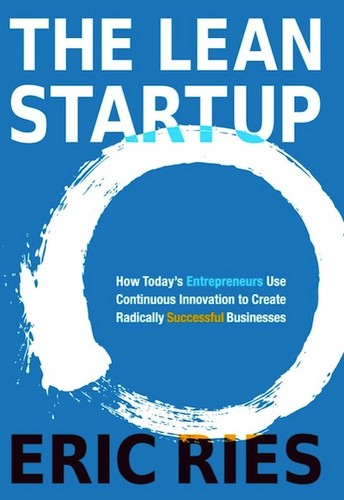
The Lean Startup
Eric Ries
Teaches iterative product development and validated learning to launch startups efficiently.
-
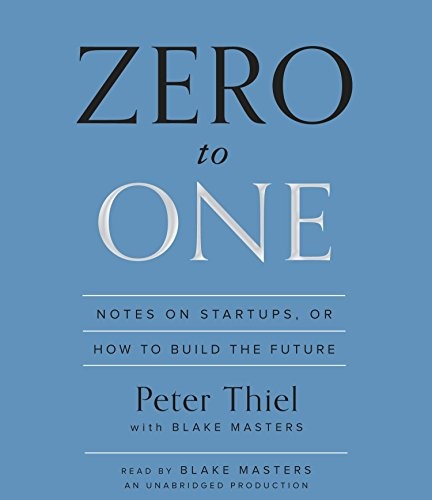
Zero to One
Peter A. Thiel, Blake Masters
Challenges founders to create breakthrough innovation instead of copying competitors.
-

High Output Management
Andrew S. Grove
Delivers practical management techniques for scaling teams and boosting productivity.
-

Good to Great
Collins, James C., Jim Collins
Reveals timeless principles that turn good companies into enduring great ones.
-

Crossing the Chasm
Geoffrey A. Moore
Explains how to market and sell disruptive products to mainstream customers.
-
The Hard Thing About Hard Things
Ben Horowitz
Offers raw, practical advice on navigating tough leadership and management decisions.
Founder activity
Nobody has shelved this yet
Be the first founder to add it.