
Book summary
Tiny Habits by B. J. Fogg presents a practical method for building lasting change by starting with tiny behaviors that are easy to do and anchoring them to existing routines in your daily life. The core argument is that lasting habits succeed through simplicity and positive emotion rather than willpower or motivation, as small actions compound over time and create momentum. Fogg's Behavior Model explains that behavior happens when motivation, ability, and prompts align, with ability being the easiest lever to adjust by shrinking the habit. The book offers a step-by-step system along with real-world examples to help readers design habits that stick and transform their health, productivity, and happiness.
Key founder lessons
-
1
Anchor new habits to existing routines
Founders should attach tiny startup behaviors like 'after I open my laptop, I will review one key metric' to build consistent execution without overwhelm.
-
2
Start so small it's impossible to fail
Begin with micro-actions like 'do one push-up' or 'write one line of code' to overcome inertia and scale into product development momentum.
-
3
Celebrate immediately to wire success
After each tiny habit, use a quick victory celebration like a fist pump to create positive emotions that reinforce the behavior for team and self-motivation.
-
4
Design your environment for success
Remove friction from good habits and add it to bad ones, such as keeping a notebook visible to prompt daily customer interviews.
-
5
Focus on identity over outcomes
Shift from goal obsession to becoming the type of founder who naturally performs these tiny behaviors, building resilience through habit identity.
Grok's review
Solid framework buried in filler and hype.
Fogg's Behavior Model (Motivation + Ability + Prompt = Behavior) and the 'tiny' scaling approach are genuinely useful for founders building product habits or personal discipline; the emphasis on celebrating tiny wins to wire identity-level change is smart and practical. Unfortunately the book is badly padded with repetitive anecdotes, feel-good stories, and overclaims that make it read like a long blog post stretched into a $27 hardcover. The evidence base is thinner than it pretends—mostly Fogg's own lab work and self-experiments rather than broad, replicated studies—and some of the framing already feels dated in a post-Atomic Habits world that stole its best ideas and presented them more cleanly. Still worth reading once if you're systematically designing user onboarding or your own routines, but skim aggressively.
Best for: Founders designing user habits or fixing personal discipline
Similar books
-

Atomic Habits
James Clear
Builds on habit formation with practical systems for lasting behavior change and peak productivity.
-

The Power of Habit
Charles Duhigg
Explores the science of habits and how to reshape them for personal and organizational success.
-
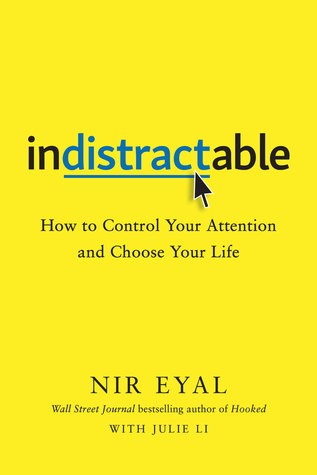
Indistractable
Nir Eyal
Teaches focus and distraction management techniques essential for founders building disciplined teams.
-

Make time
Jake Knapp
Practical framework to reclaim time and prioritize what matters most in startup life.
-
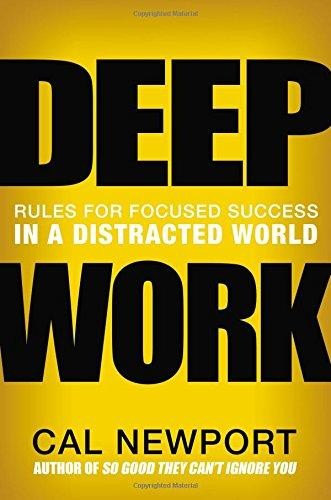
Deep Work
Cal Newport
Shows how focused, distraction-free work drives breakthrough results and career advantage.
-
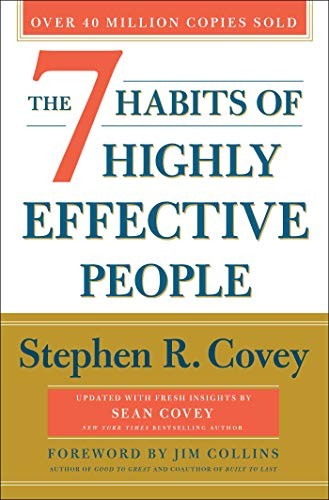
The 7 Habits of Highly Effective People
Stephen R. Covey
Timeless principles for personal effectiveness, leadership, and building high-impact habits.
Founder activity
Nobody has shelved this yet
Be the first founder to add it.