
Book summary
The Hero with a Thousand Faces by Joseph Campbell explores the universal pattern underlying the world's great myths and religious stories, which he terms the monomyth or hero's journey. Campbell argues that all hero tales follow a single archetypal structure of departure, initiation, and return, in which an ordinary person ventures into the unknown, faces trials, achieves transformation, and brings back a boon for their community. This shared narrative framework reveals fundamental truths about the human psyche and the individual's quest for meaning, showing how myths serve as guides for personal growth across cultures and eras. The core argument is that while stories may vary in surface details, their essential form is timeless and necessary for understanding both ancient lore and modern life.
Key founder lessons
-
1
Embrace the Call to Adventure
Founders must recognize and answer the disruptive opportunity that pulls them from ordinary routines into building something transformative.
-
2
Cross the Threshold
Leave the known world of stable jobs and enter the unknown realm of uncertainty where startups truly begin.
-
3
Face the Road of Trials
Persist through repeated tests, failures, and ordeals that refine the product, team, and business model.
-
4
Meet the Mentor and Allies
Seek guidance from advisors, early hires, and a network of supporters who provide tools and wisdom for the journey.
-
5
Return with the Elixir
After achieving product-market fit or exit, bring back the lessons and value created to benefit the broader community or next venture.
Grok's review
Mythic template that founders romanticize but rarely need.
Campbell's monomyth is elegantly drawn from global folklore and undeniably shaped storytelling from Star Wars to Pixar, giving founders a seductive lens for their own hero's journey narratives. The core insight—that many stories follow a universal pattern of call, ordeal, and return—can spark useful reflection on resilience and pivots. But the book is painfully padded with repetitive examples, relies on dated Jungian psychology and thin anthropological evidence, and forces every tale into the same rigid template whether it fits or not. For startup founders it's mostly intellectual catnip: inspiring in theory, yet it risks encouraging ego-driven founder myths over the unglamorous grind of execution, customer development, and team management.
Best for: Founders obsessed with narrative and personal mythology
Similar books
-
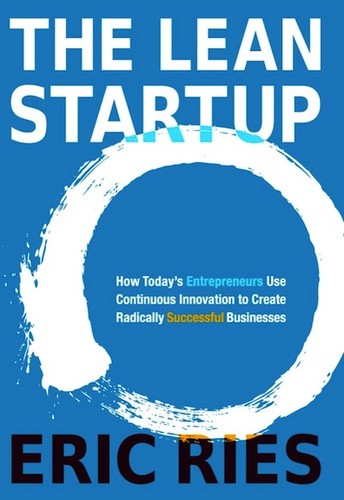
The Lean Startup
Eric Ries
Applies mythic hero's journey principles to iterative startup building and adaptation.
-
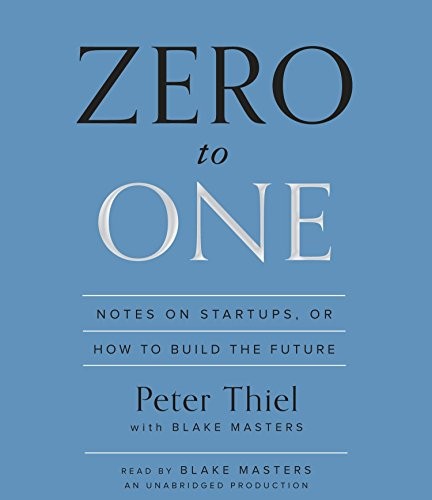
Zero to One
Peter A. Thiel, Blake Masters
Frames innovation as creating new myths and monopolies in the business world.
-
The Hard Thing About Hard Things
Ben Horowitz
Reveals the gritty trials and leadership lessons of a CEO's heroic journey.
-

Shoe Dog
Phil Knight
Nike founder's memoir reads like an epic adventure with profound business insights.
-
Man's Search for Meaning : An Introduction to Logotherapy
Viktor Emil Frankl
Explores finding purpose amid suffering, fueling resilient leadership and vision.
-

The Psychology of Money
Morgan Housel
Timeless behavioral lessons on wealth and decision-making for founders.
Founder activity
Nobody has shelved this yet
Be the first founder to add it.