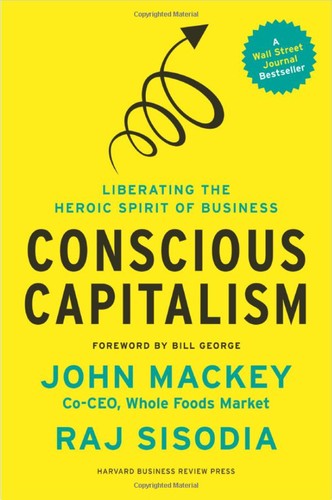
Book summary
Conscious Capitalism by John Mackey and Raj Sisodia presents a visionary reimagining of free-enterprise capitalism as an inherently ethical, noble, and heroic system that creates value for all stakeholders when practiced with higher awareness. The book argues that businesses can achieve superior long-term performance by embracing four core tenets: higher purpose beyond profit, integration of all stakeholders' interests, conscious leadership driven by service and integrity, and a supportive culture of trust and accountability. Through examples from companies like Whole Foods, Southwest Airlines, Patagonia, and Costco, it shows how conscious capitalism elevates human flourishing, fosters innovation, and addresses societal challenges more effectively than traditional profit-maximizing models. Ultimately, the authors call for a transformation in business thinking to realize capitalism's highest potential as a force for good.
Key founder lessons
-
1
Prioritize higher purpose over profit
Founders build enduring companies by defining a noble 'why' that inspires stakeholders, as Mackey did at Whole Foods with health and wellness.
-
2
Integrate all stakeholders
Create value for customers, employees, suppliers, investors, society, and environment simultaneously rather than trading them off, per the book's stakeholder model.
-
3
Practice conscious leadership
Leaders evolve their self-awareness, emotional intelligence, and love-based motivations to drive authentic, purpose-driven decisions like those at Southwest and Patagonia.
-
4
Build conscious culture
Design cultures with trust, transparency, and empowerment that reinforce purpose and stakeholder integration, turning values into daily management practices.
-
5
Elevate capitalism's potential
View business as heroic and ethical, using free enterprise to advance human flourishing and solve societal problems beyond mere wealth creation.
Grok's review
Noble vision, padded manifesto.
Mackey and Sisodia make a passionate case that capitalism can be ethical, purposeful, and stakeholder-oriented rather than purely profit-driven, drawing on Whole Foods, Patagonia, and others as living examples of the four tenets: higher purpose, stakeholder integration, conscious leadership, and culture. The core ideas are genuinely useful for founders who want to build companies that attract talent and loyalty without sacrificing performance, and the book avoids the naive anti-business tone common in similar works. However, it suffers from significant padding—repetitive anecdotes, self-congratulatory case studies, and thin evidence that often feels like cherry-picked success stories rather than rigorous proof. Some concepts already feel dated in today's tighter-margin, AI-driven startup world, where ruthless focus sometimes trumps stakeholder harmony. Still worth reading if you can skim the fluff.
Best for: Purpose-driven founders wary of pure profit maximization
Similar books
-

Good to Great
Collins, James C., Jim Collins
Reveals timeless principles for building enduring companies through disciplined leadership and culture.
-

Built to Last
Collins, James C., Jim Collins
Explores how visionary companies create core ideologies that drive long-term success and adaptability.
-
The Hard Thing About Hard Things
Ben Horowitz
Offers raw, practical wisdom on navigating the toughest leadership and management challenges in startups.
-
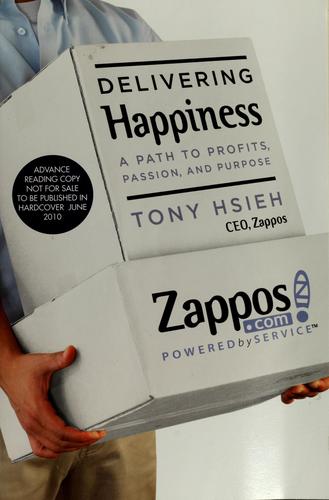
Delivering happiness
Tony Hsieh
Shows how prioritizing company culture and customer service fuels exceptional business growth and loyalty.
-
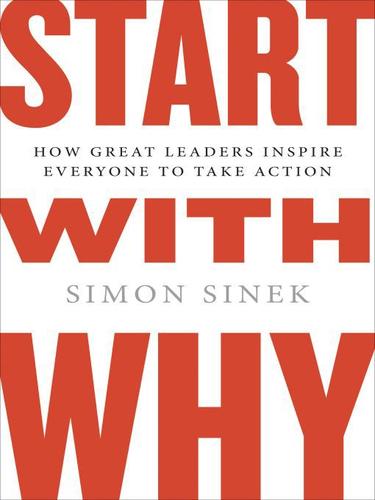
Start with why
Simon Sinek
Teaches the power of purpose-driven leadership to inspire teams and build lasting organizations.
-

Small Giants
Bo Burlingham
Profiles companies that chose greatness over growth, emphasizing values, culture, and stakeholder focus.
Founder activity
Nobody has shelved this yet
Be the first founder to add it.