
Book summary
Nudge by Richard H. Thaler and Cass R. Sunstein explores how subtle changes in the way choices are presented can steer people toward better decisions without restricting their freedom. The authors introduce the concept of libertarian paternalism, which uses insights from behavioral economics to counteract common psychological biases such as inertia, loss aversion, and bounded rationality. They argue that choice architects in government and business can design "nudges" like default options, simplified information, and timely reminders that improve outcomes in areas ranging from retirement savings to health and environmental policy. The core argument is that gentle, freedom-preserving interventions are both more effective and more ethical than heavy-handed regulation or pure laissez-faire approaches.
Key founder lessons
-
1
Embrace Libertarian Paternalism
Design startup products and policies that gently steer users toward beneficial decisions without restricting their freedom of choice.
-
2
Combat Choice Inertia
Use defaults to leverage users' tendency to stick with pre-selected options, boosting adoption of beneficial features like auto-enrollment in premium plans.
-
3
Counter Bounded Rationality
Simplify complex decisions with smart defaults and clear framing so overwhelmed users make better choices for your product metrics.
-
4
Mitigate Undue Influence
Structure choice architecture to reduce biases from social proof or anchoring that could lead users to suboptimal engagement or purchases.
-
5
Map and Test Nudges
Identify user biases through testing and iteratively refine choice environments to improve retention, conversion, and long-term value.
Grok's review
Classic behavioral insight, now feels padded and dated.
Nudge is the book that popularized choice architecture and showed how tiny tweaks to defaults, framing, and social proof can steer decisions without banning options. For founders it delivers a masterclass on why users don't behave like rational agents and how product design can exploit inertia and loss aversion for better outcomes (or darker growth hacks). The core ideas remain powerful and the writing is engaging, yet the book is bloated with repetitive examples, thin causal evidence in places, and some policy recommendations that feel naive or overly optimistic about benevolent regulators. Two decades later many of its insights have been absorbed into every growth handbook, making parts feel like old news.
Best for: Product designers and growth leads who haven't read behavioral econ yet.
Similar books
-

Thinking, fast and slow
Daniel Kahneman
Reveals cognitive biases that shape decisions, essential for better product design and leadership.
-
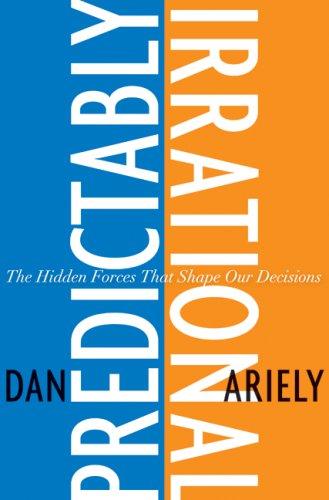
Predictably Irrational
Dan Ariely
Explores hidden forces driving human behavior, informing pricing, marketing, and user experience strategies.
-
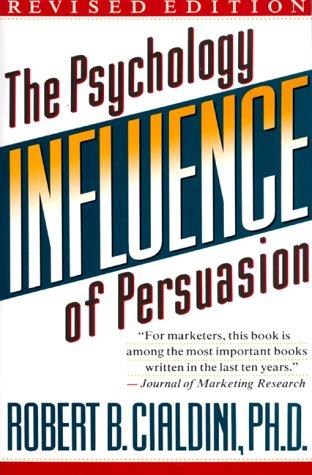
Influence
Robert B. Cialdini
Details principles of persuasion that help in sales, negotiation, and building customer loyalty.
-

Misbehaving
Richard H. Thaler
Applies behavioral economics to real-world business and policy, building directly on nudge insights.
-

The undoing project
Michael Lewis, Dennis Boutsikaris
Chronicles Kahneman and Tversky's work on biases, offering lessons in decision-making under uncertainty.
-

Atomic Habits
James Clear
Shows how small behavioral changes compound, boosting founder productivity and team performance.
Founder activity
Nobody has shelved this yet
Be the first founder to add it.