
Book summary
The Personal MBA by Josh Kaufman is a comprehensive self-directed guide to business fundamentals that distills the most important ideas from hundreds of traditional MBA topics into practical accessible concepts anyone can learn without formal schooling. It functions as a thematic encyclopedia covering key areas such as value creation marketing sales finance negotiation productivity and working with oneself and others. The core argument is that expensive business degrees are often unnecessary and that mastering a set of timeless mental models and principles through self-education provides better real-world preparation for building creating and running successful ventures.
Key founder lessons
-
1
Value Creation First
Identify and deliver what people truly want before building; Kaufman emphasizes that all business starts with creating real value for customers.
-
2
The 12 Forms of Value
Systematically explore product, service, shared resource, subscription, resale, lease, agency, audience, loan, option, insurance, or capital to innovate offerings.
-
3
Iterate with The Iteration Cycle
Prototype, test assumptions, measure results, and refine quickly; founders use this to de-risk ideas with minimal resources.
-
4
Mental Models for Decisions
Master key models like opportunity cost, incentives, and second-order thinking to make sharper strategic choices under uncertainty.
-
5
Build Systems Not Goals
Focus on repeatable processes and habits that compound over time rather than one-off targets, ensuring sustainable business growth.
Grok's review
Useful starter, but padded and shallow.
The Personal MBA is a decent high-level map of business concepts—strategy, marketing, finance, psychology—that many first-time founders will find clarifying and confidence-building. Kaufman synthesizes ideas from better books into one readable volume, which can save time if you're overwhelmed by the classics. However, it's padded with filler explanations, dated references (the 2010 edition feels stale on tech and scaling), and often thin on rigorous evidence or original insight; it skims where depth would matter most for real decisions. For startup founders, it's no substitute for diving into the source material it draws from, but it works as an accessible on-ramp.
Best for: Curious beginners overwhelmed by business books.
Similar books
-
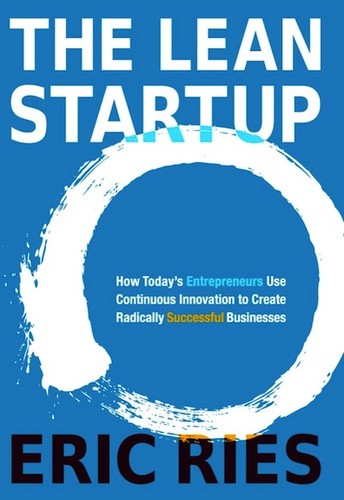
The Lean Startup
Eric Ries
Teaches building and iterating businesses with minimal waste and rapid learning.
-
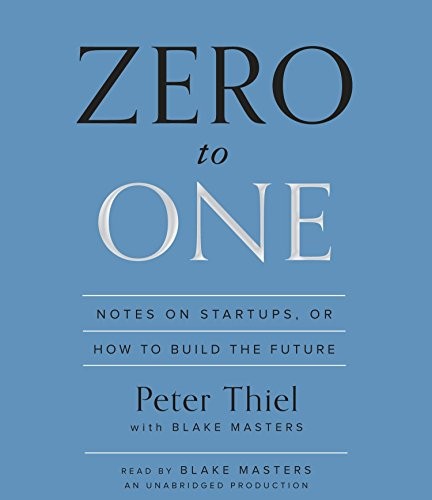
Zero to One
Peter A. Thiel, Blake Masters
Challenges conventional thinking on innovation, monopoly, and creating breakthrough value.
-

Good to Great
Collins, James C., Jim Collins
Reveals timeless principles for turning good companies into truly exceptional ones.
-

Thinking, fast and slow
Daniel Kahneman
Explains cognitive biases to improve decision-making in business and life.
-
The Hard Thing About Hard Things
Ben Horowitz
Offers raw, practical advice on navigating tough leadership and management challenges.
-
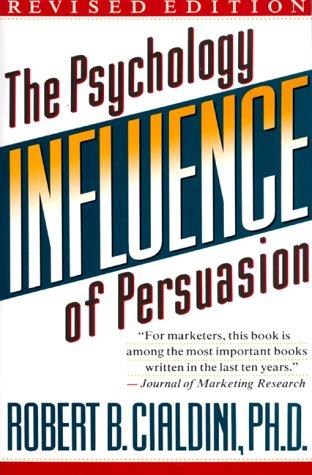
Influence
Robert B. Cialdini
Unpacks persuasion principles essential for sales, marketing, and negotiation.
Founder activity
Nobody has shelved this yet
Be the first founder to add it.