
Book summary
The Coaching Habit by Michael Bungay Stanier is a practical guide that teaches managers and leaders how to coach more effectively by asking better questions instead of giving advice. It introduces seven essential questions—including the Kickstart Question, the AWE Question, and the Learning Question—that help break the habit of over-coaching, reduce unnecessary conversations, and create more space for insight and action. The core argument is that by staying curious a little longer and rushing to advice a little slower, coaches can unlock the potential of others, foster greater autonomy and engagement, and ultimately become more impactful leaders with less effort.
Key founder lessons
-
1
Master the 'AWE' Question
Ask 'And what else?' repeatedly to dig deeper, uncover real issues, and avoid jumping in with premature advice as a founder.
-
2
Tame the Advice Monster
Stay curious longer by resisting the urge to give solutions immediately, empowering your team to think independently.
-
3
Use the 'Focus' Question
Regularly ask 'What's the real challenge here for you?' to cut through noise and zero in on the core problem.
-
4
Leverage the 'Strategic' Question
Pose 'If you're saying yes to this, what are you saying no to?' to help your team prioritize ruthlessly.
-
5
Build the 'Learning' Question
End interactions with 'What was most useful for you?' to reinforce insights and accelerate your team's growth.
Grok's review
Solid toolkit, but padded and light on evidence.
The Coaching Habit delivers a crisp, memorable framework of seven questions that actually help busy founders stop giving advice and start unlocking their team's thinking—'What's on your mind?' and 'What was most useful for you?' are especially sticky in 1:1s. Stanier writes with wit and zero jargon, making the book a quick, practical read that many startup leaders have successfully applied to reduce their own workload while developing people. That said, it's padded with repetitive anecdotes, self-promotional filler, and a coaching style that occasionally feels too tidy for the messy reality of early-stage chaos. The evidence is mostly anecdotal rather than rigorous research, and some of the framing now feels a bit dated in a post-2020 remote/hybrid world where psychological safety and burnout demand more nuance than the book provides. Still worth the couple of hours for any founder who defaults to telling rather than asking.
Best for: Founders who micromanage or over-advise their teams.
Similar books
-

The Making of a Manager
Julie Zhuo
Practical guide to leadership and coaching teams effectively.
-

High Output Management
Andrew S. Grove
Timeless insights on management, productivity, and decision-making.
-

Radical Candor
Kim Malone Scott
Builds better relationships through honest feedback and coaching.
-

Thinking, fast and slow
Daniel Kahneman
Improves decision-making by understanding cognitive biases.
-
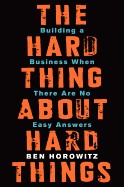
The Hard Thing About Hard Things
Ben Horowitz
Raw lessons on leadership and navigating startup challenges.
-

Atomic Habits
James Clear
Builds systems for personal and team productivity.
Founder activity
Nobody has shelved this yet
Be the first founder to add it.