
Book summary
Difficult Conversations by Douglas Stone, Bruce Patton, and Sheila Heen teaches a practical framework for handling emotionally charged discussions at work, at home, or in any relationship. The book argues that every tough talk consists of three simultaneous conversations—the "What Happened?" conversation about differing stories and blame, the Feelings conversation about unexpressed emotions, and the Identity conversation about what the exchange threatens to our self-image—and that recognizing these layers is essential to reducing defensiveness. By shifting from a blame-focused stance to one of curiosity, listening for the other person's perspective, and expressing one's own views without aggression, people can transform confrontations into learning opportunities that strengthen relationships rather than damage them. The core message is that difficult conversations are not about winning but about understanding and problem-solving together.
Key founder lessons
-
1
Separate stories from facts
Founders must distinguish observable data from personal interpretations to prevent assumptions derailing team or investor talks.
-
2
Manage the three conversations
Address the 'What Happened?', 'Feelings', and 'Identity' conversations explicitly to untangle emotional layers in founder disputes.
-
3
Own your contribution
Acknowledge your role in the problem first, modeling accountability that builds trust during difficult co-founder or employee feedback.
-
4
Listen with curiosity
Explore the other's perspective without rebutting, enabling founders to uncover hidden insights in negotiations or conflicts.
-
5
Express feelings without blame
Share emotions clearly yet neutrally to foster empathy, preventing defensiveness in high-stakes startup discussions.
Grok's review
Essential toolkit, but padded with repetition.
This book from the Harvard Negotiation Project delivers a genuinely useful framework for unpacking why conversations turn toxic—separating the 'what happened' story, feelings, and identity issues—and gives practical scripts for staying curious instead of defensive. Founders will recognize the exact dynamics that blow up board meetings, performance reviews, or co-founder conflicts, and the advice on listening to understand rather than rebut is gold. Weaknesses are real: it pads its core insights across too many pages with repetitive anecdotes, the evidence is mostly illustrative rather than rigorous research, and some of the 1990s-era examples feel dated in today's remote, Slack-heavy startup world. Still worth reading once, especially if you've never been trained on emotional intelligence in high-stakes settings.
Best for: Founders who dread tough 1:1s or feedback talks
Similar books
-

Crucial Conversations
Kerry Patterson, Joseph Grenny
Master high-stakes talks that drive better decisions and stronger team alignment.
-
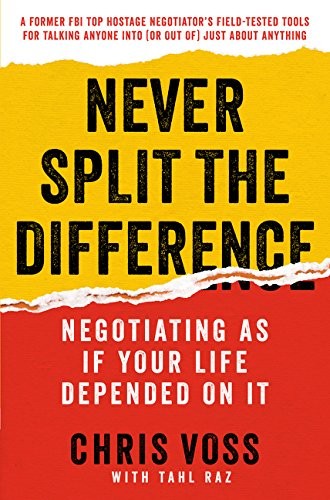
Never Split the Difference
Chris Voss, Tahl Raz
Negotiation tactics from an FBI hostage negotiator that boost startup deal-making and leadership.
-

Radical Candor
Kim Malone Scott
Builds honest feedback cultures that prevent conflicts and accelerate team performance.
-

The Making of a Manager
Julie Zhuo
Practical guidance on leading people, resolving tensions, and scaling yourself as a founder.
-

Thanks for the Feedback
Douglas Stone, Sheila Heen
Improves reception of input so you grow faster and reduce defensive reactions in the workplace.
-

High Output Management
Andrew S. Grove
Timeless principles on meetings, decisions, and performance that prevent organizational miscommunication.
Founder activity
Nobody has shelved this yet
Be the first founder to add it.