
Book summary
The HP Way by David Packard recounts the founding and growth of Hewlett-Packard from its humble beginnings in a Palo Alto garage in 1939 through its evolution into a global technology giant. Packard details the unique management philosophy he and Bill Hewlett developed emphasizing trust in employees, decentralized decision-making, management by walking around, and a long-term focus on innovation over short-term profits. The core argument is that a company's success stems from its people and a principled culture that prioritizes integrity, teamwork, and contribution to society rather than purely financial metrics, creating a distinctive "HP Way" that became a model for Silicon Valley.
Key founder lessons
-
1
Profit is a means, not the end goal
Founders should pursue sustainable profits to fuel innovation and employee opportunities rather than chasing short-term financial gains alone.
-
2
Build a management by objectives culture
Set clear, shared company objectives that empower teams to make decisions aligned with long-term vision instead of rigid top-down control.
-
3
Prioritize people and their development
Hire exceptional talent, invest in their growth, and foster an environment where employees feel ownership, driving loyalty and creativity.
-
4
Customer focus drives innovation
Listen closely to real customer needs to guide product development, ensuring relevance and market leadership over internal assumptions.
-
5
Maintain integrity in all dealings
Uphold ethical standards with employees, customers, and suppliers to build lasting trust that becomes a core competitive advantage.
Grok's review
Foundational but padded HP nostalgia.
The HP Way is a sincere, first-person account of how Bill Hewlett and David Packard built a legendary company on values like the 'HP Way'—decentralized management, trust in employees, long-term thinking, and rejecting hire-and-fire cycles. For startup founders it's a window into the origins of Silicon Valley culture and why treating people decently can compound over decades. That said, it's padded with self-congratulatory anecdotes, thin on rigorous evidence or data, and many of its management prescriptions feel dated or overly idealistic in today's brutal scaling environment. Packard glosses over later struggles and the book's tone sometimes reads like an extended corporate obituary rather than sharp, actionable insight.
Best for: Founders seeking early Silicon Valley values and management philosophy.
Similar books
-

Built to Last
Collins, James C., Jim Collins
Reveals enduring principles for building companies with lasting impact, echoing HP's values-driven approach.
-

Good to Great
Collins, James C., Jim Collins
Analyzes how disciplined leadership and culture drive exceptional long-term results, like those at HP.
-

High Output Management
Andrew S. Grove
Practical guide to management and productivity from Intel's legendary CEO, focusing on scalable operations.
-
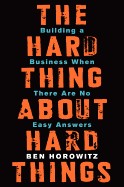
The Hard Thing About Hard Things
Ben Horowitz
Candid lessons on navigating tough leadership decisions and building resilient teams in startups.
-

Only the paranoid survive
Andrew S. Grove
Explores strategic inflection points and adaptive leadership to sustain company success over decades.
-

My life and work
Ford, Henry, Henry Ford
Autobiography detailing innovative management and production systems that transformed industry, offering timeless builder insights.
Founder activity
Nobody has shelved this yet
Be the first founder to add it.