
Book summary
The Creative Act by Rick Rubin is a meditative guide that reframes creativity not as a specialized skill for artists but as a fundamental way of being in the world available to everyone. Drawing from his decades as a record producer working across genres, Rubin explores how to quiet the inner critic, cultivate a state of openness and innocence, and allow surprising, inevitable work to emerge by aligning with nature’s rhythms rather than forcing outcomes. The core argument is that being an artist is less about producing specific objects than about deepening one’s relationship to the universe, expanding the space for wonder, and accepting the responsibility to bring forth what only you can offer. Ultimately the book functions as both practical handbook and philosophical companion, inviting readers to live more creatively in every moment.
Key founder lessons
-
1
Tune into the source beyond ego
Founders must quiet self-doubt and external noise to access pure creative intuition, as Rubin teaches reconnecting with childlike innocence for breakthrough ideas.
-
2
Create a non-judgmental space
Build company cultures that suspend criticism so diverse team members reveal authentic strengths, mirroring Rubin's studio approach across genres.
-
3
Embrace constraints as liberation
Use tight resources and deadlines to force unexpected solutions, turning limitations into the fertile soil Rubin says sparks inevitable originality.
-
4
Separate the making from the judging
Rapidly prototype products without self-editing, then evaluate only after a volume of output, following Rubin's phased separation of creation and critique.
-
5
View business as ongoing practice
Treat every startup decision as an artistic experiment in relating to the world, expanding your creative capacity daily as Rubin reframes art as a way of being.
Grok's review
Profound wisdom buried in New-Age padding.
Rick Rubin distills a lifetime of coaxing brilliance from artists into short, meditative chapters that feel like Zen koans for creators. The core message—that creativity is less about technique and more about tuning your relationship to the world, staying open, and removing self-imposed limits—lands with surprising force for startup founders who’ve burned out on hustle porn. What doesn’t work is the relentless vagueness, the lack of concrete mechanisms or evidence beyond Rubin’s own anecdotes, and the sense that the book could have been half as long without losing its signal. It occasionally drifts into dated mystical territory that feels more Laurel Canyon 1975 than Silicon Valley 2025. Still, the best sections on embracing constraints, ignoring trends, and treating every project as an experiment are gold for product builders and leaders stuck in execution mode.
Best for: Burned-out founders seeking perspective
Similar books
-
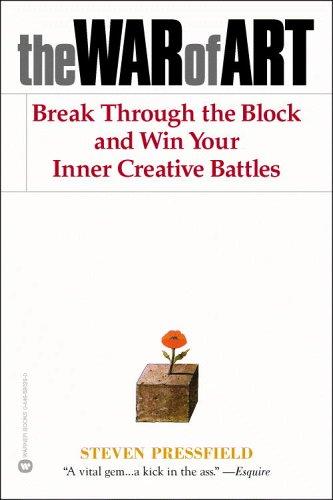
The War of Art
Steven Pressfield
Masterfully dissects creative resistance, offering timeless strategies for consistent output vital to founders.
-

Steal like an artist
Austin Kleon
Encourages creative remixing and iteration, directly applicable to building innovative products and companies.
-

Atomic Habits
James Clear
Provides practical systems for building productive routines that sustain long-term creative and business success.
-
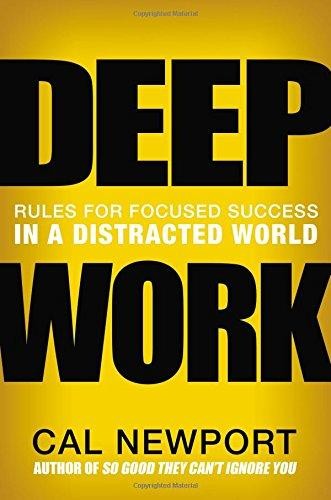
Deep Work
Cal Newport
Teaches focused, distraction-free creation essential for high-impact entrepreneurial thinking and execution.
-

The Artist's Way
Julia Cameron
Unlocks creative potential through practical exercises, fostering the mindset needed for visionary leadership.
-

Bird by Bird
Anne Lamott, Susan Bennett
Delivers honest insights on the messy creative process, helping founders embrace iteration and resilience.
Founder activity
Nobody has shelved this yet
Be the first founder to add it.