Book summary
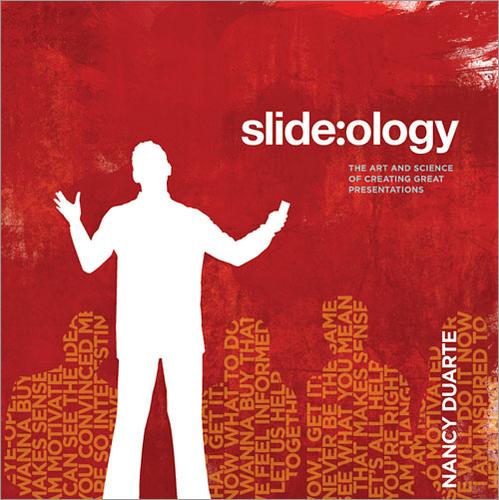
slide:ology by Nancy Duarte is a practical guide to creating effective, visually compelling presentations that treat slides as a medium for visual storytelling rather than mere data dumps. Drawing from her experience designing Al Gore’s An Inconvenient Truth, Duarte teaches readers to connect with specific audiences, transform ideas into simple informative graphics, and use sketching, diagramming, and design principles to help audiences process information quickly. The core argument is that most presentations fail because they ignore visual thinking and audience psychology, so professionals must deliberately craft slides that support the speaker’s message, build emotional momentum, and drive action. By shifting from text-heavy defaults to thoughtful visual communication, anyone can create influential presentations that advance their ideas and careers.
Key founder lessons
-
1
Create a visual story, not slides
Founders must craft a single overarching narrative that audiences follow, using slides only as supporting visuals, as Duarte did for Al Gore.
-
2
Sketch ideas before opening software
Startup leaders should hand-sketch concepts and flow first to clarify thinking and avoid default bullet-point templates.
-
3
Design slides for audience processing
Use simple, high-contrast graphics and remove clutter so viewers instantly grasp the message without reading walls of text.
-
4
Employ the S.T.A.R. moment
Include one unforgettable, emotionally charged visual or data point that audiences remember and retell, driving momentum for your startup's cause.
-
5
Use contrast to create meaning
Apply visual contrast in color, size, and imagery to highlight differences between what is and what could be, persuading investors or customers.
Grok's review
Solid design basics, padded with filler.
Slide:ology delivers genuinely useful principles for creating clearer, more persuasive presentations—Duarte's emphasis on visual storytelling, restraint in text, and audience empathy has helped countless founders stop boring investors. What doesn't work is the excessive padding: many pages feel like stretched blog posts or obvious recaps, and some of the examples already look dated in our high-resolution, AI-assisted design era. The evidence is mostly anecdotal and light on rigorous data, making it feel more like a practitioner's toolkit than a deep strategic manual. Still worth a founder's time if you're terrible at slides and need a structured kick in the pants; otherwise, skim the core chapters and move on to more modern alternatives.
Best for: Founders who suck at presentations
Similar books
-

Resonate
Nancy Duarte
Masterful framework for persuasive storytelling that moves audiences and drives action in business.
-
Made to stick
Chip Heath, Dan Heath
Teaches how to craft memorable, impactful messages that stick with customers, investors, and teams.
-

The presentation secrets of Steve Jobs
Carmine Gallo
Reveals Jobs' techniques for captivating presentations that can elevate your own pitches and talks.
-

Talk Like TED
Carmine Gallo
Distills the secrets of the world's best TED talks into actionable lessons for powerful communication.
-

Storyworthy
Matthew Dicks
Shows how to find and craft everyday stories that build connection, influence, and leadership.
-

Building A StoryBrand
Donald Miller
Clarifies your company's message using a proven story framework to attract and convert customers.
Founder activity
Nobody has shelved this yet
Be the first founder to add it.