
Book summary
The Infinite Game by Simon Sinek explores the concept of business and life as infinite games where there is no final winner or end point only the opportunity to keep playing by adapting and contributing to something larger. It contrasts finite games with fixed rules and clear winners against infinite ones that require a mindset focused on long-term vision, resilient teams, and ethical leadership rather than short-term profits or beating competitors. Sinek argues that leaders who embrace an infinite mindset build stronger organizations that inspire loyalty, foster innovation, and create lasting impact by prioritizing just cause, trusting teams, and the courage to make decisions that may not pay off immediately. The core message is that playing the infinite game leads to greater fulfillment and success in a world of constant change.
Key founder lessons
-
1
Adopt an Infinite Mindset
Founders shift from finite wins like beating competitors to perpetuating the game by building resilient organizations that outlast any single victory.
-
2
Prioritize Just Cause
Founders rally teams around a compelling, idealistic purpose bigger than profit that inspires long-term loyalty and innovation.
-
3
Build Trusting Teams
Founders create psychological safety where employees feel safe to take risks, admit mistakes, and collaborate without fear of internal competition.
-
4
Embrace the Worthy Rival
Founders study competitors to improve themselves rather than destroy them, using rivals as mirrors to advance their own infinite journey.
-
5
Lead with Existential Flexibility
Founders stay open to pivoting strategy or tactics when needed to advance the Just Cause, avoiding rigid plans that limit adaptability.
Grok's review
Inspiring concept, repetitive execution.
Sinek's core idea—playing the infinite game instead of finite ones—is genuinely useful for founders building long-term companies, culture, and resilience against short-term pressures. It reframes competition, purpose, and leadership in a way that sticks and has influenced many startup leaders. Unfortunately the book is heavily padded with repetition, feels like a stretched TED talk, and leans on thin or selectively interpreted evidence rather than rigorous research. Some of the examples already feel dated in today's faster-moving tech landscape. It's worth reading once for the framing, but don't expect dense, original insight on every page.
Best for: Founders wrestling with short-termism and mission drift.
Similar books
-
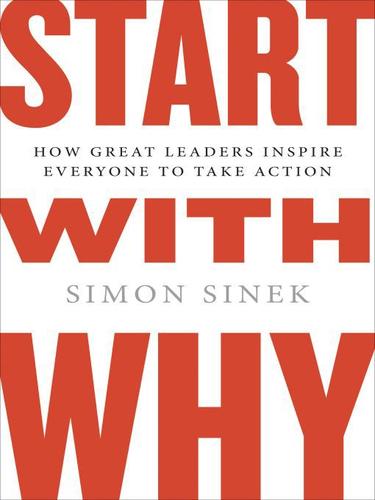
Start with why
Simon Sinek
Builds on Sinek's infinite mindset by exploring purpose-driven leadership for long-term company success.
-

Leaders Eat Last
Simon Sinek
Teaches creating safe, trusting environments that foster innovation and enduring organizational cultures.
-

Good to Great
Collins, James C., Jim Collins
Reveals timeless principles for turning companies into enduring performers through disciplined leadership.
-
The Hard Thing About Hard Things
Ben Horowitz
Offers raw, practical advice on navigating the toughest CEO challenges with resilience and clarity.
-

Atomic Habits
James Clear
Provides actionable systems for building productive routines that scale personal and team performance.
-
Man's Search for Meaning : An Introduction to Logotherapy
Viktor Emil Frankl
Explores finding purpose amid adversity, inspiring resilient leadership and company-building mindsets.
Founder activity
Nobody has shelved this yet
Be the first founder to add it.