Book summary
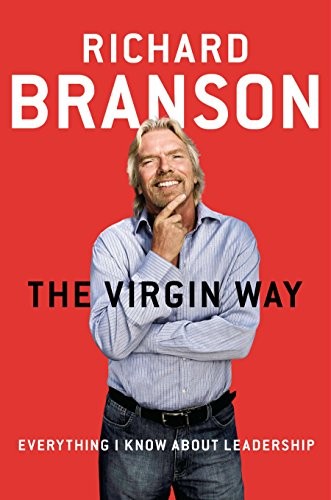
The Virgin Way recounts how Richard Branson built the Virgin Group over four decades by embracing bold risks, defying conventional wisdom, and repeatedly challenging industry giants. He argues that effective leadership stems not from formal training or rigid frameworks but from fun, family-like culture, genuine passion, deep listening, and empowering people to operate without artificial constraints. Branson illustrates these principles through personal anecdotes of successes, failures, and unconventional decisions, asserting that true innovation arises when leaders refuse to let bureaucratic "boxes" limit thinking or action. The book presents his swashbuckling style as an instinctive, human-centered alternative to traditional management.
Key founder lessons
-
1
Prioritize listening over talking
Branson stresses that true leaders listen actively to employees and customers first, using insights to drive Virgin's innovative decisions.
-
2
Inject fun into company culture
Branson built Virgin by making work enjoyable, believing happy teams outperform and fostering loyalty through playful events and environments.
-
3
Treat employees like family
View your team as an extended family, offering support and autonomy which creates deep commitment and reduces turnover at Virgin.
-
4
Follow passion relentlessly
Branson only enters businesses that excite him personally, ensuring sustained energy and authentic branding that resonates with markets.
-
5
Embrace calculated risks boldly
Challenge industry giants with unconventional moves like Virgin's airline launch, accepting failures as learning steps without fear of boxes.
Grok's review
Entertaining stories, but thin on substance.
Branson's folksy charm and wild anecdotes about ballooning, battling British Airways, and building the Virgin empire make for an easy, fun read that feels like a long fireside chat. The core ideas—listen aggressively, have fun at work, put people first, and never let anyone put you in a box—are solid but not groundbreaking; they've been covered better and with more rigor elsewhere. The book is heavily padded with repetitive stories, name-dropping, and self-mythologizing that wear thin quickly, while the evidence is mostly anecdotal and the advice feels dated in a post-2010s startup world obsessed with data, metrics, and operational excellence. It's not a serious leadership manual—Branson admits he never read one—and it shows; founders looking for frameworks or deep insights will feel hungry afterward.
Best for: Branson fans seeking inspiration over instruction.
Similar books
-

Losing My Virginity
Richard Branson
Branson's autobiography reveals his bold risk-taking and leadership lessons from building the Virgin empire.
-

Shoe Dog
Phil Knight
Nike founder's memoir shares raw lessons on entrepreneurship, perseverance, and scaling a global brand.
-
The Hard Thing About Hard Things
Ben Horowitz
Practical advice on leadership, tough decisions, and managing crises from a seasoned tech founder.
-

High Output Management
Andrew S. Grove
Intel CEO's timeless guide to effective management, productivity, and building high-performing teams.
-

Principles
Ray Dalio
Bridgewater founder outlines radical transparency and decision-making systems for exceptional leadership.
-
Delivering happiness
Tony Hsieh
Zappos CEO's story of building a culture-first company that prioritizes employee and customer happiness.
Founder activity
Nobody has shelved this yet
Be the first founder to add it.