
Book summary
Getting to Yes by Roger Fisher, William Ury, and Bruce Patton presents a principled negotiation method developed by the Harvard Negotiation Project for reaching mutually beneficial agreements in any conflict. The core strategy involves four key steps: separating people from the problem to address emotions and relationships constructively, focusing on underlying interests rather than fixed positions, inventing multiple options for mutual gain through creative brainstorming, and using objective criteria to evaluate solutions fairly. It also equips readers with techniques for handling difficult counterparts who hold more power, refuse to negotiate fairly, or use dirty tricks. The book promotes a collaborative "win-win" approach over adversarial bargaining, arguing that this method leads to wiser, more durable outcomes in personal, business, and international disputes.
Key founder lessons
-
1
Separate People from Problems
Address relationship issues directly and separately so emotional tensions don't distort objective problem-solving in deals.
-
2
Focus on Interests, Not Positions
Uncover underlying motivations behind stated demands to uncover compatible solutions that satisfy what parties truly need.
-
3
Invent Options for Mutual Gain
Brainstorm creative alternatives before deciding, expanding the pie so both founder and counterpart achieve more value.
-
4
Insist on Objective Criteria
Base agreements on fair, independent standards like market benchmarks or precedents instead of willpower or coercion.
-
5
Know Your BATNA
Develop and improve your best alternative to a negotiated agreement to maintain power and avoid desperate concessions.
Grok's review
Timeless principles, but padded and preachy.
The core four ideas—separate people from the problem, focus on interests not positions, invent options for mutual gain, and use objective criteria—are genuinely useful for founders who spend half their lives in negotiations with cofounders, investors, hires, and customers. The book is short and the framework is clean, which is why it became a classic. However, it is padded with repetitive anecdotes, feels dated in tone (very 1980s Harvard-lawyer vibe), and offers surprisingly thin real-world evidence beyond the authors' own workshops. The sections on dealing with 'dirty tricks' or power imbalances feel simplistic once you've actually sat across from a ruthless VC or a Chinese manufacturer. Still worth reading once, but don't treat it as gospel.
Best for: Founders new to principled negotiation
Similar books
-
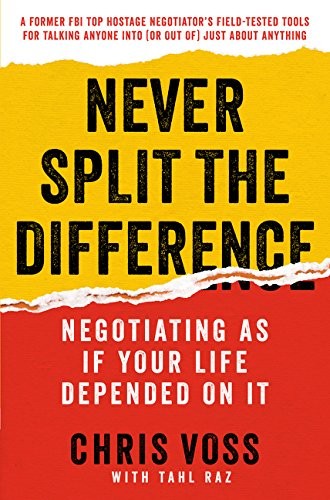
Never Split the Difference
Chris Voss, Tahl Raz
Masterful negotiation tactics from an FBI hostage negotiator, packed with practical strategies for business deals and leadership.
-
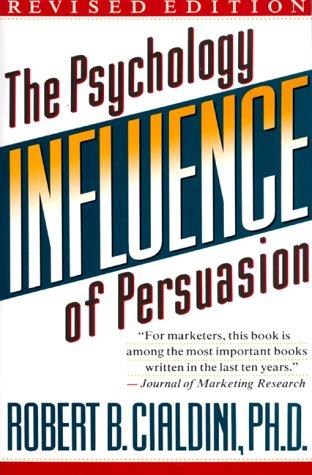
Influence
Robert B. Cialdini
Reveals the science of persuasion and how to ethically influence others in sales, marketing, and team management.
-

Thinking, fast and slow
Daniel Kahneman
Explores cognitive biases and decision-making pitfalls, essential for better strategic choices as a founder.
-

The Psychology of Selling
Brian Tracy
Actionable insights on sales psychology and closing techniques to drive revenue and customer relationships.
-

Pre-Suasion
Robert B. Cialdini, John Bedford Lloyd
Shows how to set the stage for influence before the main pitch, improving pitches, marketing, and negotiations.
-

Crucial Conversations
Kerry Patterson, Joseph Grenny
Teaches how to handle high-stakes discussions effectively, vital for leadership, feedback, and conflict resolution.
Founder activity
Nobody has shelved this yet
Be the first founder to add it.